Common RV Insurance Discounts
Recreational vehicle (RV) insurance can help if you’re involved in an accident, and many carriers offer discounts that may save you money. RV insurance discounts vary by carrier, but common ones include:
RV Coverage Options
Your coverage options will depend on the type of RV or travel trailer you own. See some common coverage options below:

Bodily Injury
Helps pay medical or funeral costs if you cause an accident that injures other people

Property Damage
Helps cover damage that your RV causes to other people’s property if you’re at fault

Uninsured/Underinsured Motorist
Helps cover your medical or funeral costs if you’re injured and the at-fault driver is uninsured or underinsured

Personal Injury Protection (PIP)
Helps cover medical and funeral costs, lost wages, and household expenses, like childcare, regardless of who caused the accident
Total Loss Replacement
Replaces your “totaled” RV with a new model of similar make and quality
Full Timer’s Package
Provides extra coverage for policyholders who use an RV as their home
Emergency Expenses Coverage
Helps pay for lodging or a travel home if your RV becomes unusable while you’re on the road
Personal Property Replacement Cost Coverage
Helps replace any personal items damaged, destroyed, or stolen from your RV
Vacation Liability Coverage
Protects you if someone gets injured at your RV site while your RV is parked
Roof Protection
Helps cover roof repair or replacement if the roof malfunctions, even due to wear and tear

Pest Damage
Helps cover damage caused by rats, birds, and other undomesticated animals
Pet Injury Coverage
Helps pay veterinary fees or replacement costs if a pet is injured while riding in your RV
Roadside Assistance Membership for RV
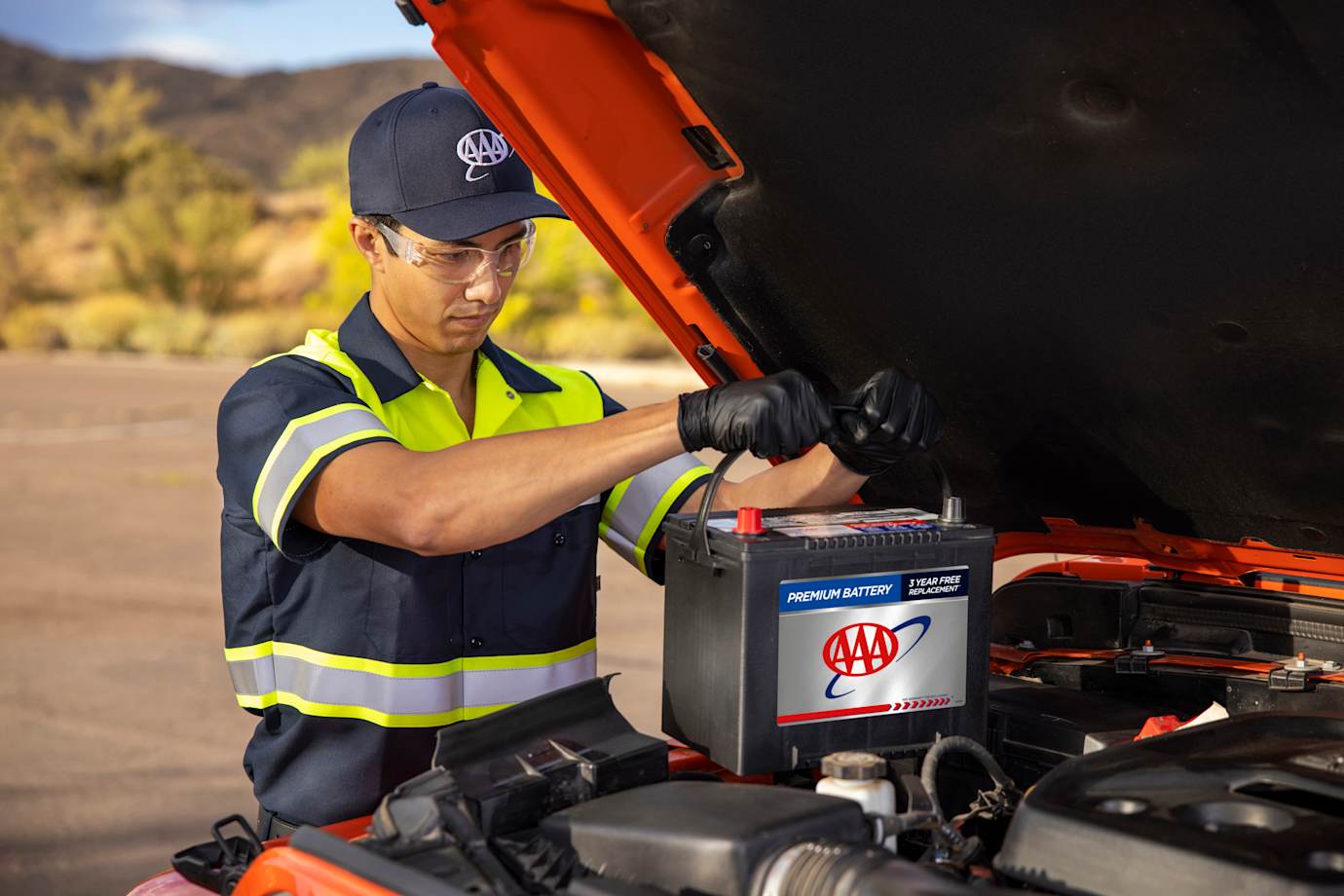
AAA Plus RV & Motorcycle Membership* provides roadside assistance for your RV or travel trailer. Services include battery jump start, flat tire swap, fuel delivery, and 100 miles of towing.
*AAA Membership is not insurance. Insurance is sold separately.
Contact Us for a Free RV Insurance Quote
Yes. If you own an RV or motorhome, it is required by law to have RV insurance. RV owners must carry liability insurance for motorhomes driven on public roadways. If your motorhome hits a car or injures someone, liability coverage pays for the damages up to your policy’s liability limits.
RV and motorhome owners must have the following RV insurance minimum by state:
Alaska
- Bodily injury: $50,000 per person; $100,000 per occurrence
- Property damage: $25,000 per occurrence
- Uninsured motorist bodily injury*: $50,000 per person; $100,000 per occurrence
- Underinsured property damage*: $25,000 per occurrence
* Required unless you reject this coverage in writing.
Arizona
- Bodily injury: $25,000 per person; $50,000 per occurrence
- Property damage: $15,000 per occurrence
California
- Bodily injury: $15,000 per person; $30,000 per occurrence
- Property damage: $5,000 per occurrence
Montana
- Bodily injury: $25,000 per person; $50,000 per occurrence
- Property damage: $20,000 per occurrence
Nevada
- Bodily injury: $25,000 per person; $50,000 per occurrence
- Property damage: $20,000 per occurrence
Utah
- Bodily injury: $25,000 per person; $65,000 per occurrence
- Property damage: $15,000 per occurrence
- Personal injury protection: $3,000 per occurrence
Wyoming
- Bodily injury: $25,000 per person; $50,000 per occurrence
- Property damage: $20,000 per occurrence
If you’re able to tow your travel trailer behind your car, you may not need a separate RV insurance policy. Instead, your auto policy may provide coverage for your nonmotorized trailer, which may include travel trailers, camper trailers, truck campers, stand-up and pop-up camper trailers, fifth wheels, and toy haulers.
If you’re financing your travel trailer, however, check with your lender. Your bank or other lender might require specific coverage until your loan is paid.
Your protection depends on the type of RV coverage you buy. Insurance for an RV generally mirrors the coverage types you can buy for your auto. Liability, comprehensive, and collision coverage operate much like they do on your personal vehicle.
RV insurance policies often cover accidents, theft, and vandalism. Other covered losses include unforeseen risks like fire, hail, and falling objects. RV policies can also help pay for certain types of water damage, like if it was caused by a natural flood. But if you didn’t properly maintain your RV’s roof and water trickled in, causing water damage, that probably won’t be covered.
RV insurance generally covers things like damaged siding, roof leaks, roof damage, and awning damage, although coverage depends on the cause. You may be covered if a storm rips off some of your siding and mangles your awning. But for damage caused by normal wear and tear, you likely won’t be able to file a claim.
For extra protection, you can add optional insurance coverage (added coverage options vary by carrier):
- Roof protection helps cover damage to your roof, even from wear and tear. It also covers any vehicle damage caused by a roof malfunction.
- Personal property coverage helps protect items inside your RV, like clothing, furniture, cookware, eyeglasses, cell phones, cameras, and laptops. If your belongings get damaged or stolen, you’ll be reimbursed, up to a specified amount, for your loss.
- Emergency expense coverage can take care of you if your RV gets damaged or breaks down a specified distance from home. It covers the costs of necessities like a hotel, food, and a rental car (up to your policy’s limits) while your RV is being repaired.
- Total loss replacement pays to replace your RV if it’s totaled. This type of coverage helps pay for an RV of a similar make, model, and year with similar features—even if the cost exceeds that of your original RV.
- Vacation liability coverage provides an extra layer of liability protection when you’re using your RV on vacation. If someone gets hurt at your site, you’ll be covered up to your selected limit. This insurance also covers your RV when it’s in storage.
- Pet injury coverage helps pay vet bills if your pet is injured during an accident while riding in your RV.
RV insurance can protect your finances if your RV gets damaged or causes damage. If your motorhome crashes into a car and injures the driver, or a tree limb falls onto the roof, insurance may help cover the resulting costs.
The national average cost of an RV policy is $1,500 a year, but every situation is unique. RV insurance costs range from $200 to $3,000 a year.
Your RV insurance costs depend on several factors including:
- Type of RV: A motorhome is larger and more expensive than a camper van or a fifth wheel, so motorhome insurance typically costs more than travel trailer insurance.
- Your RV’s age and condition: Older RVs are more prone to mechanical issues, which can raise the cost of their coverage.
- How you use your RV: Do you live in your RV or use it for road trips? Full-time RVers usually pay higher premiums but also get more customized coverage options.
- Your mileage: Logging lots of miles places your RV at greater risk, so your insurance costs are usually higher.
- Your driving history: You may save money on insurance if you have a clean driving record.
- Where you live: Insurance rates vary by state and city. If you live in an area that’s densely populated or experiences high crime or severe weather, your insurance premium may be higher.
Coverage type: You can save money—at least in the short term—if you only purchase the legally required coverages. If you purchase optional coverages, your premiums will be higher, but you’ll also have protection against more types of risk.