
Are Big Infotainment Screens Here to Stay?
Displays in cars are hitting record sizes, while tactile controls are vanishing.


The 2025 model of Mazda’s popular CX-5 came with a 10.25-inch infotainment screen along with the usual physical buttons and knobs for controlling features such as audio volume, air conditioning, and seat heaters.
But with the 2026 model, Mazda tried something new. The top trim model of the CX-5 features a massive 15.6-inch screen—more akin to a television than the slim horizontal bar in the 2025. Nearly all of the physical buttons and dials have been jettisoned, their functionality migrated to that giant screen.
Mazda is hardly the only automaker to follow Tesla’s lead—launched with the Model S in 2012—in embracing a big touch screen in lieu of physical controls. Today, increasingly larger screens are becoming standard in passenger vehicles of all shapes and sizes, from the 8-inch display available on the Toyota Prius to the enormous 56-inch “hyperscreen” in Mercedes-Benz EQ models.
Why the rush into big cockpit displays? One argument is that people have become accustomed to interacting with touch screens, perhaps to the level of addiction. “For a lot of drivers, a vehicle information system is like an extension of their smartphone,” says William Van Tassel, manager of driving training programs for AAA. “It’s just another inviting screen with which they can interact.”
Automakers confirm that sentiment. One typical comment: “Overall feedback shows that customers appreciate larger, clearer, and more responsive displays, particularly for navigation, media, and personalization,” says Andrew Brudnicki, who works in product communications for Mercedes-Benz USA.
Beyond consumers’ apparent love of screens, there is another practical reason to have them in cars. In 2014, the U.S. Department of Transportation mandated backup cameras in all new vehicles by the 2018 model year. According to Van Tassel, “Pretty much every automaker said, ‘Since we have to put a screen in the car, what else can we do with it?’”
Whatever the reasons, screens have grown bigger and more advanced at a rapid clip. Van Tassel suggests that the industry could regard this as an arms race: Larger screens are seen by marketing departments as differentiators, much as they are in the world of smartphones. It doesn’t hurt that replacing dozens of buttons and knobs with a single pane of glass can also save automakers money.
Eyes Off the Road: Infotainment Screen Safety
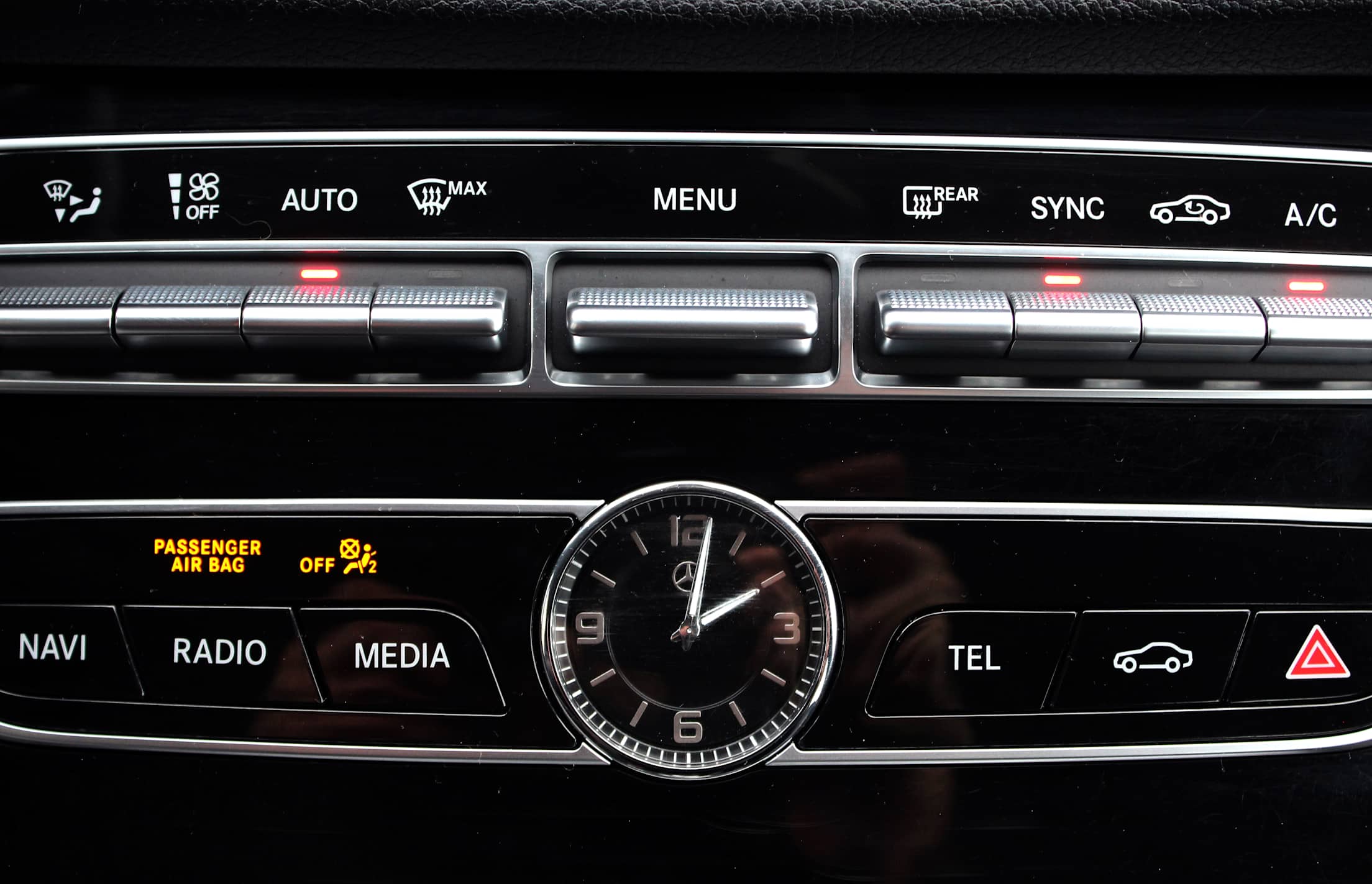
But as car screens have grown, so has a very vocal backlash against them—particularly as onscreen buttons replace physical controls. The main concern: safety.
Recent studies have repeatedly shown that touch screens—much like the smartphones that inspired them—are distractions to drivers. Unlike a button or knob, operating a touch screen requires visual attention: You can’t blindly feel your way to the correct control while keeping your eyes on the road; you have to actively look at the screen.
The more complex the interface is, the longer you must look away from the road. Research has found that touch screen usage correlates with slower driver reaction times and an increased incidence of drivers drifting out of their lane. One study suggested that the use of a touch screen impacted drivers’ reaction times even more than driving at the legal blood alcohol limit.
Hands-free operation has long been touted as a solution. But even using voice control doesn’t alleviate driver distraction. AAA research has found that the mental effort of navigating complex menus by voice can have what Van Tassel describes as a “hangover effect”: It can take as much as 27 seconds after a voice-driven operation has been completed before the driver’s attention fully shifts back to the road.
“With a screen, we’ve got the hands, the eyes, and probably the brain all paying attention to something going on inside the car, rather than the more important stuff going on outside the car,” says Van Tassel. “It’s a multilevel, multifactorial distraction.”
Van Tassel adds that he is particularly worried about the increased risk of these kinds of distractions to those outside the vehicle—namely, pedestrians and cyclists who don’t know a driver is busy searching a screen for the icon that controls the steering-wheel warming system.
While researchers have been sounding alarms about the risks of screen-centric control systems for some time, consumers are now also increasingly concerned. JD Power’s 2024 U.S. Vehicle Dependability Study found that auto owners run into problems with their infotainment screens more often than they do any other feature of their cars—twice as much as the next closest category (the exterior).
Buttons Reborn: The Future of Tactile Controls
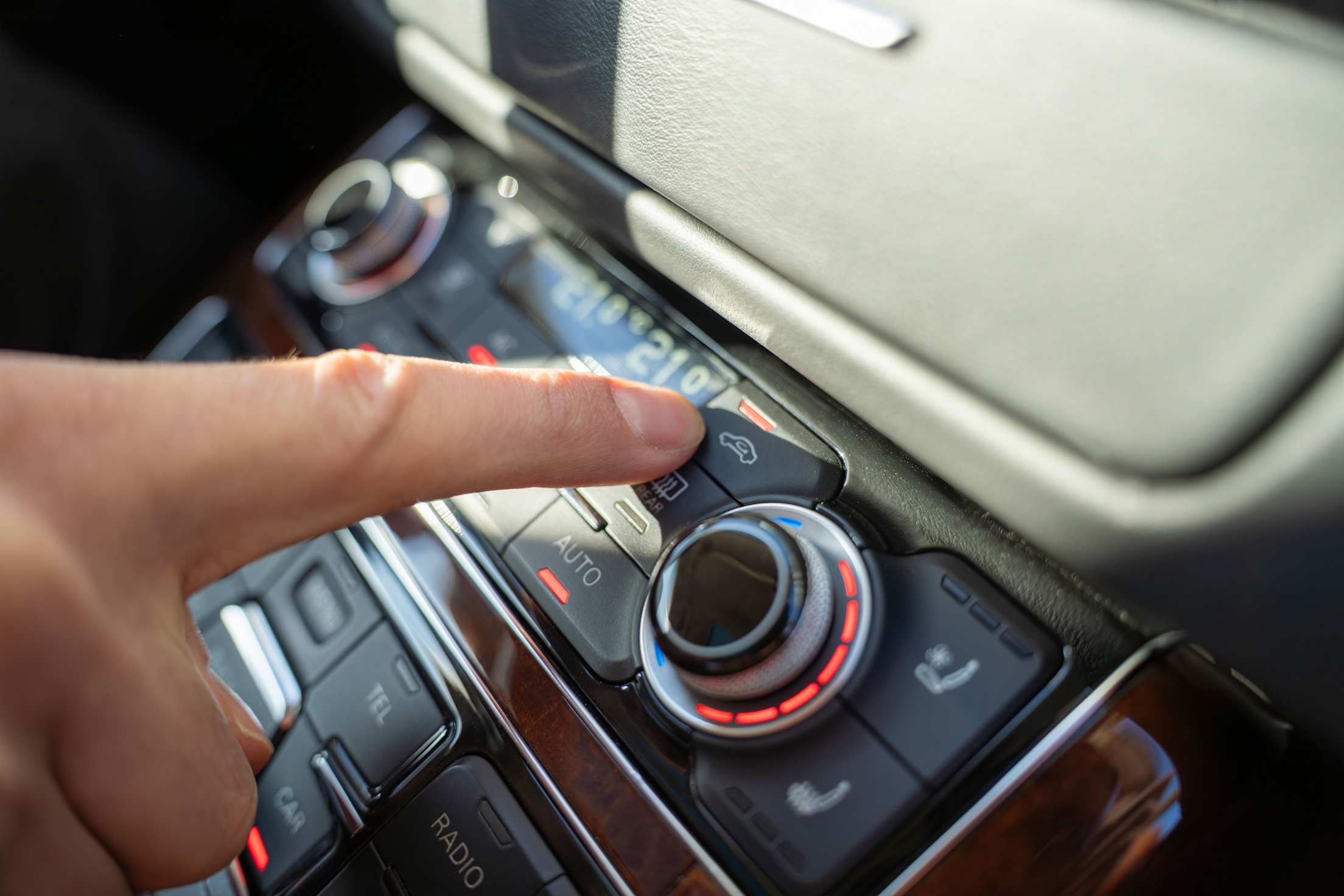
The message from many drivers seems to be: “We want our buttons back.” That, in turn, has spurred some automakers to rethink their positions on deploying screens as their primary user interface.
Volkswagen made headlines in 2023 when its new CEO, Thomas Schäfer, decried the company’s recent embrace of screens in lieu of buttons—a design that was widely criticized by VW owners. He said that move had done “a lot of damage” to the brand and promised a return to tactile controls.
“We’re starting to bring back tactile buttons,” says Jeffrey Lear, a director of VW product and strategy. The company is also working to fix problems that made the touch screen difficult to use. Concept images for the upcoming European releases of the ID. Polo and ID.3 Neo show an ample touch screen—Lear says 12 to 15 inches remains the “sweet spot” for size—plus a healthy bank of buttons underneath it.
Mercedes-Benz, Audi, Hyundai, and others have followed suit, reintroducing tactile controls or revamping the way they work in new models. Automakers say that customer feedback is driving their decisions around tactile controls.
That movement may soon speed up even more, thanks to the European New Car Assessment Programme, a voluntary safety agency in the European Union that conducts rigorous crash testing. To qualify for the influential program’s top safety rating, vehicles must have tactile buttons for key functions, including indicators, hazard lights, windshield wipers, and the horn. United States ratings organizations haven’t followed suit yet. But Van Tassel says that stateside automotive arbiters such as the National Highway Traffic Safety Administration or JD Power could weigh in on the issue soon.
As with so many design decisions, the pendulum on this one—between buttons and screens—will likely continue to swing for some time. Manufacturers will carry on testing the market for big screens as well as for more modest ones. Road-safety advocates will pressure car makers to help keep drivers’ eyes on the road. But ultimately it’ll be up to consumers to decide with their dollars how they’d prefer to control their vehicles and where that pendulum will ultimately come to rest.
Get quality auto repair and exclusive Member savings to keep your car road-ready.