
Drowsy Driving Is as Dangerous as Drunk Driving
Being tired behind the wheel can increase your risk of a crash.


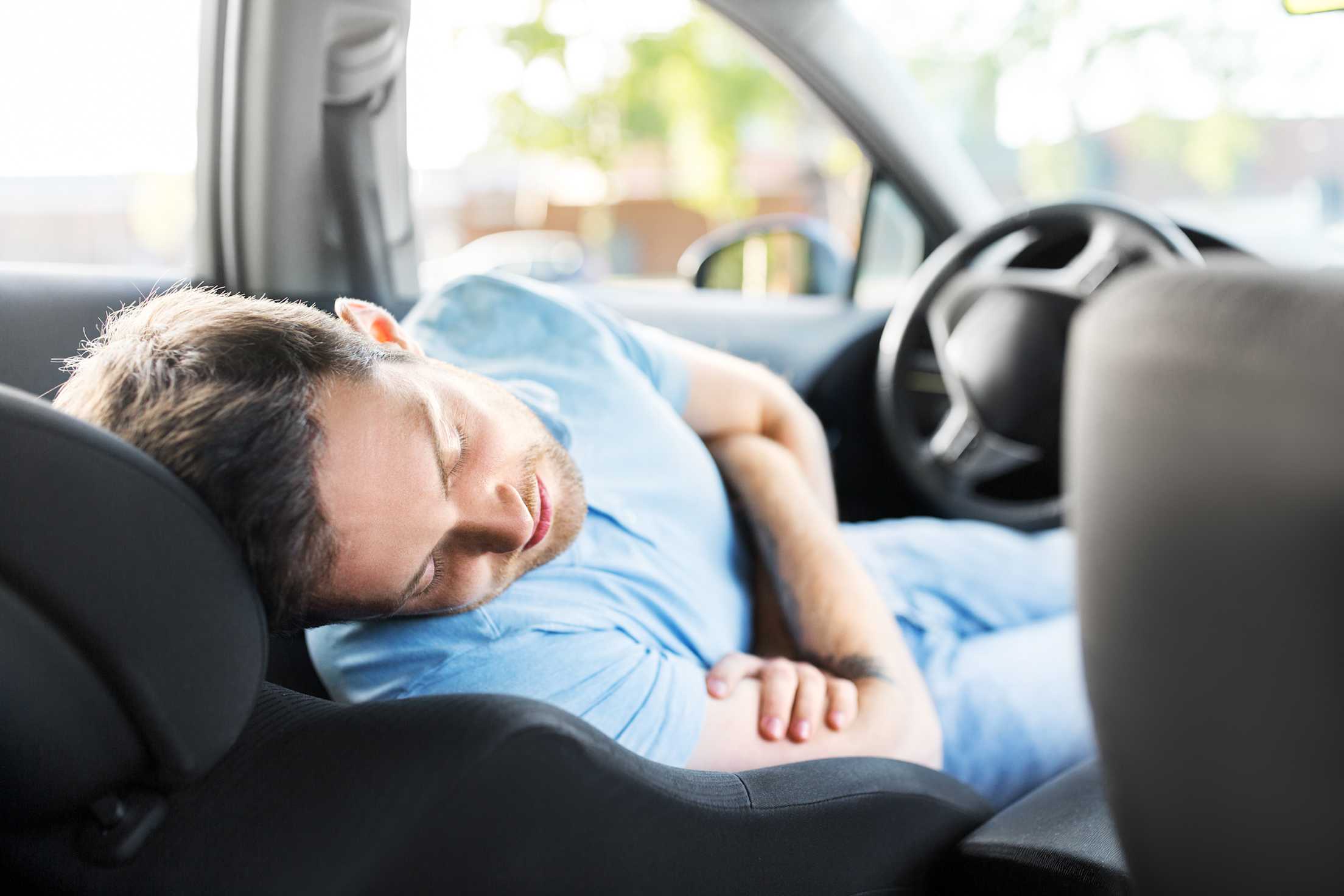
Most drivers would never drink and drive, yet many push through their trip when their eyelids begin to droop—despite the action being just as perilous.
“Drowsy driving is a bigger traffic safety issue than federal estimates show,” says David Yang, president and executive director for the AAA Foundation for Traffic Safety. “Drivers who don’t get enough sleep are putting everyone on the road at risk.”
The difficulty in detecting fatigue after a crash makes drowsy driving one of the most underreported traffic safety issues. A 2018 study by the AAA Foundation for Traffic Safety found that the percentage of crashes involving drowsiness is nearly 10 times higher than federal estimates indicate, based on in-vehicle dashcam video of everyday drivers. Of the 700 crashes analyzed, the researchers determined that almost 10% of all crashes and about 11% of crashes resulting in significant property damage involved drowsiness.
The impact is substantial: One third of crashes involving a drowsy driver result in injuries, and more than 17% of fatal crashes involve driver fatigue, according to the AAA Foundation for Traffic Safety.
Many of those fatigued drivers aren’t even aware of the risk: In another simulation study conducted by the foundation, 75% of drivers who rated their drowsiness as low were actually moderately or severely drowsy.
Reaction times, ability to pay attention, and awareness of hazards all get worse as you get drowsier, according to the National Highway Traffic Safety Administration. Driving after being awake for more than 20 hours is on par with getting behind the wheel with a blood-alcohol concentration above the U.S. legal limit of 0.08%, according to the National Sleep Foundation.
How to Prevent Drowsy Driving
While the obvious solution to preventing drowsy driving is never to drive when you’re tired, there are other things you can do to stay alert behind the wheel.
1. Get more sleep.
Good sleep habits affect every area of your life, including your ability to drive safely. While certain drivers (particularly shift workers, commercial drivers, and those with sleep disorders) are more at risk of drowsy driving than others, anyone who simply hasn’t had enough sleep when they get behind the wheel is putting themselves—and others—in danger.
If you know you’ll be driving, make sure you get plenty of rest before you get behind the wheel. The National Sleep Foundation and the Centers for Disease Control and Prevention recommend that healthy adults get seven to nine hours of sleep each night. Yet over 40% of drivers have at least one day when they log less than six hours of sleep in a typical week, according to the National Safety Council.
2. Watch for signs of tiredness.
Yawning, nodding off, difficulty keeping your eyes open, feeling your head droop: The most obvious signs of drowsiness are hard to miss. Unfortunately, though, it’s also possible to drift off momentarily without even being aware of it—a phenomenon that experts call “microsleep.”
That’s why you should be watchful for lapses such as slowing down without meaning to, missing an exit, failing to notice road signs, drifting out of your lane, or not remembering the last few miles you drove. Try picturing recent landmarks; if the past few miles are a blank, you’re likely sleepy.

3. Check your medications.
Medications, both prescription and over-the-counter, can contribute to drowsiness. Not sure if driving is contraindicated? Ask your doctor or pharmacist about any medications you take and their possible effects on driving. Something as common as your daily allergy medication can impair your ability to drive.
4. Give yourself breaks–and naps.
The quickest and most effective way to overcome sleepiness is to sleep. It doesn’t have to be long: 15 to 30 minutes is the recommended length of time for a nap, according to the Centers for Disease Control and Prevention. Any more than that and you may drift into deeper slow-wave sleep, from which it’s harder to wake up, leaving you groggy and disoriented instead of alert. If you’re seriously fatigued and feel the need for deeper rest, experts recommend sleeping for about 90 minutes—the typical length of one sleep cycle.
You can make a car nap more comfortable by keeping a sleep-kit in your car: earplugs, an eye mask, and possibly an inflatable neck pillow (like the ones you use on a plane). A reflective windshield solar shield comes in handy when it’s bright out, as do stick-on cloth window shades. Set an alarm for however long you plan to nap, then give yourself a few minutes to stretch and be on your way.
Even if you don’t feel sleepy, it’s important to take a break from driving every two hours. Any longer than that, and your alertness and concentration will begin to decline. Get gas, stop for a snack, or take a stroll around a rest stop or park, then return fresh to tackle the next stretch of road.
5. Use stay-awake tips.
Caffeine is most drivers’ first line of defense against drowsiness, and for good reason; research shows that one medium-sized cup of coffee can keep you alert for up to two hours or more.
Keep in mind, though, that your roadside coffee of choice may be larger or contain more caffeine—between 100 mg and 225 mg of caffeine for the typical 10- to 12-ounce latte or cold brew. And those energy drinks lined up next to the gas station cash register? They typically contain 200 mg to 300 mg of caffeine per serving. The Food and Drug Administration recommends keeping daily caffeine consumption below 400 mg, so monitor your total intake. And remember that it can take caffeine up to 30 minutes to kick in.
Other strategies for staying awake include listening to music or engaging with a stimulating audiobook or podcast. When possible, bring a companion on long road trips. Whether they share the driving or not, their conversation will keep you engaged. And it’s never a bad thing to have someone there to notice when sleepiness sets in.