
How to Clean Your Car Windshield
Caring for the glass should be a regular part of your car maintenance routine.


Having a clean windshield isn’t just about aesthetics: It’s also about safety. Dirt, streaks, debris, and other impediments can increase glare and impair your view of the road around you. That’s why keeping both the inside and outside of your windshield clean is an essential part of vehicle maintenance.
Why a Clean Windshield Is Important
If you’ve ever tried to drive with a windshield speckled with dirt and droppings, you know how difficult it can be to see traffic lights, lane markings, and pedestrians. That puts the safety of everyone you’re sharing the road with at risk, including your passengers and yourself.
“You need to have clear visibility so you can see—not just through your windshield, but your side and rear windows as well,” says David Bennett, manager of repair systems at AAA.
As we head into fall and winter, having a clear view of the road becomes even more important. With the sun rising later and setting earlier, and weather patterns shifting, we’ll all be driving more in the dark, rain, or snow. A dirty windshield can make such conditions more hazardous.
How to Clean Your Windshield
Cleaning your windshield correctly isn’t as straightforward as you might think. It requires some preparation and attention to technique.
Step 1: Choose the right time and place.
When you clean your windshield is as important as how you do it. Bennett recommends that you avoid cleaning your windshield on hot days or in direct sunlight. Otherwise, Bennett says, “Once you start spraying the glass cleaner on there, it’s going to evaporate, it’s going to streak.”
Instead, wait until the air and the glass both cool down. Parking in a shady area can help.
Justin Cardwell, director of auto glass at AAA, points out that major temperature differences between the glass and water can crack windshields. Cold water and hot windshields (and vice versa) are a bad combination.
If you already have cracks or chips on your windshield, get those fixed before you do any major cleaning (and before they start to spread).
Step 2: Get the right materials.
Using the correct cleaning products is critical. Bennett cautions against ammonia-based cleaners, which can streak and cause problems with tinted windows. He also recommends getting a set of microfiber towels for your glass-cleaning chores. “You don’t want to use paper towels because they leave streaks and lint,” he says. He suggests having two towels: one for cleaning, another for buffing the windshield.
Cardwell concurs: “A good aerosol glass cleaner and a clean, lint-free cloth are your best friends. I wouldn’t use anything with harsh chemicals—definitely stick to a glass-specific cleaner.”
Step 3: Clean the outside first.
Start with stubborn spots on the outside of the glass. Those can include things like bird droppings, sap, and bug residue. Cardwell says you can try spraying standard glass cleaner on such spots and letting it sit for a minute or two before wiping. If that doesn’t work, you may need to try something stronger, such as dedicated bug removers or diluted rubbing alcohol.
Once problem spots are out of the way, spray the entire glass with your chosen cleaner. Use your first microfiber towel—folded twice to create multiple clean sections—for wiping. Then, use the second one to buff the glass and minimize streaks.
“It’s good to do it in circles to start off with, but then go vertical as you buff it out,” says Bennett. “That should reduce streaks.”
Step 4: Move to the inside.
The inside of your windshield can get dirty for many reasons, including dust and debris from outside and smudges from pets and people. But the main one is that materials inside the vehicle may emit gases that can deposit a film on the glass. If someone smokes or vapes inside the car, that can make the film worse.
To clean it, start by applying cleaner directly to your microfiber cloth, not to the glass; this minimizes the mess on the dashboard. Wipe the interior glass horizontally with the cloth. Wiping in different directions inside and out makes it easier to identify where the streaks are.
Step 5: Replace the wipers regularly.
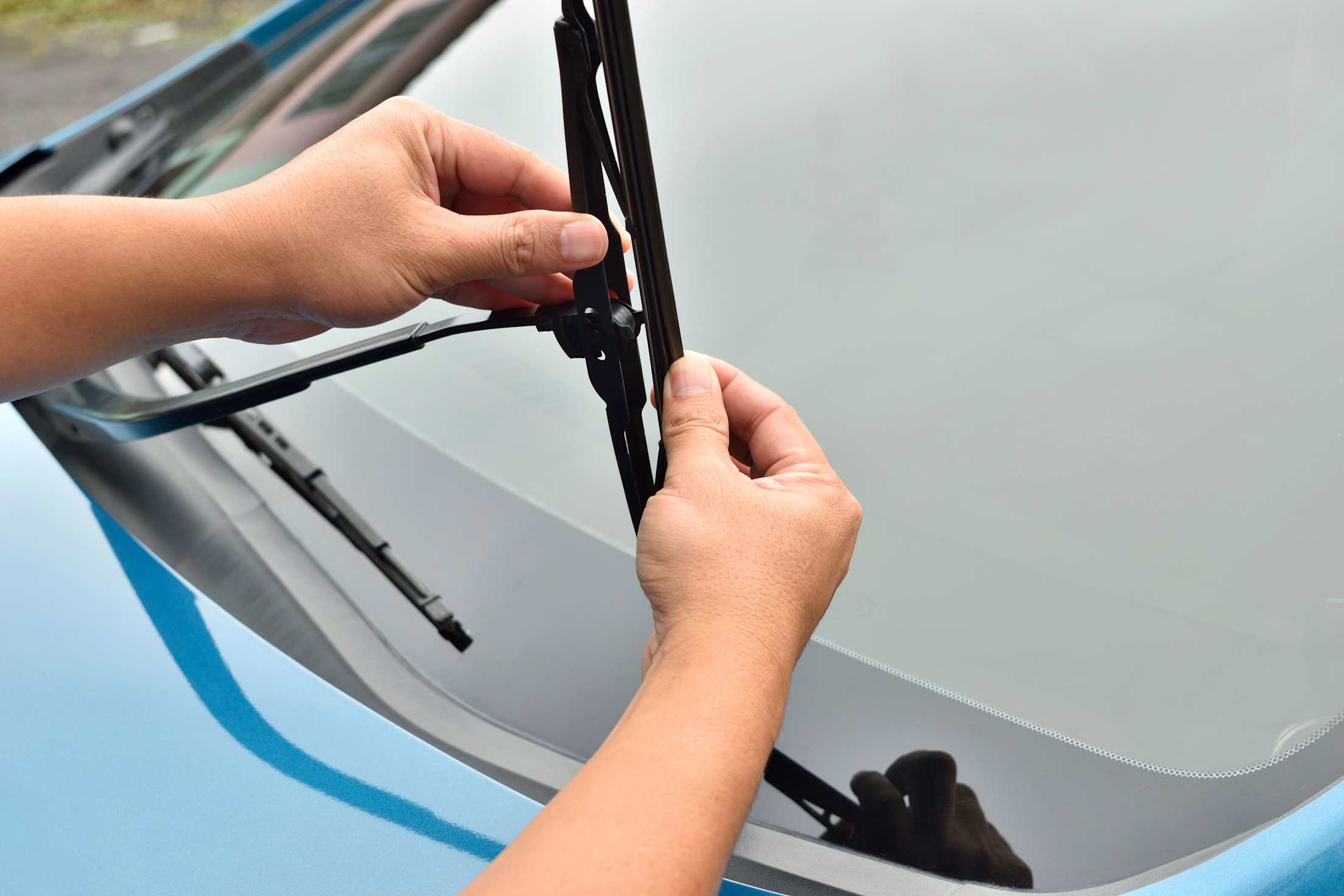
The windshield wipers play a major role in keeping your windshield clear, but only if they work well. Bennett recommends replacing windshield wipers at least once a year; this time of year, before fall and winter weather hit, is one of the best times to do so. Also, check the wiper fluid once a month.
Ideally, keeping your vehicle’s glass clean becomes part of your regular car-care program, like checking tire pressure and fluid levels. “It’s a good practice to make your vehicle safe to drive,” says Bennett.