
How to Keep Rodents Out of Your Car
As the weather cools, rats, mice, and other creatures may seek refuge in your vehicle.


Do you know who’s not your furry friend? Rodents. While some may be cute, they can wreak havoc on your vehicle and carry diseases. These pests can pose a threat year-round, but infestations tend to be more common during the cooler months.
“In the pest control industry, we find rodents to be most active as the weather starts to cool in fall and winter,” says James Hosea, operations manager at Mr. Pack Rat, a pest control company based in Tucson, Arizona. “But any vehicle left in an unsecured area is vulnerable to active rodent populations—especially if the vehicle is left unused for periods of time.”
Why Rodents Love Your Car
Rodents are drawn to cars for many reasons, but shelter and safety are two big ones. “Vehicles pose as a fine shelter for rodents seeking harbor from weather and predators,” says Hosea. “They also provide ample nesting opportunities in which to care for their young.”
The types of car-invading rodents can vary by region. “Western states are home to a number of different species of rodent: mice, squirrels, and rats, to name a few,” adds Hosea. For people who live at higher elevations, marmots can be another cause for concern. They’re a particular problem for visitors parking their cars for days at a time at mountain trailheads in places like Sequoia and Kings Canyon National Parks.
How Rodents Damage Your Vehicle
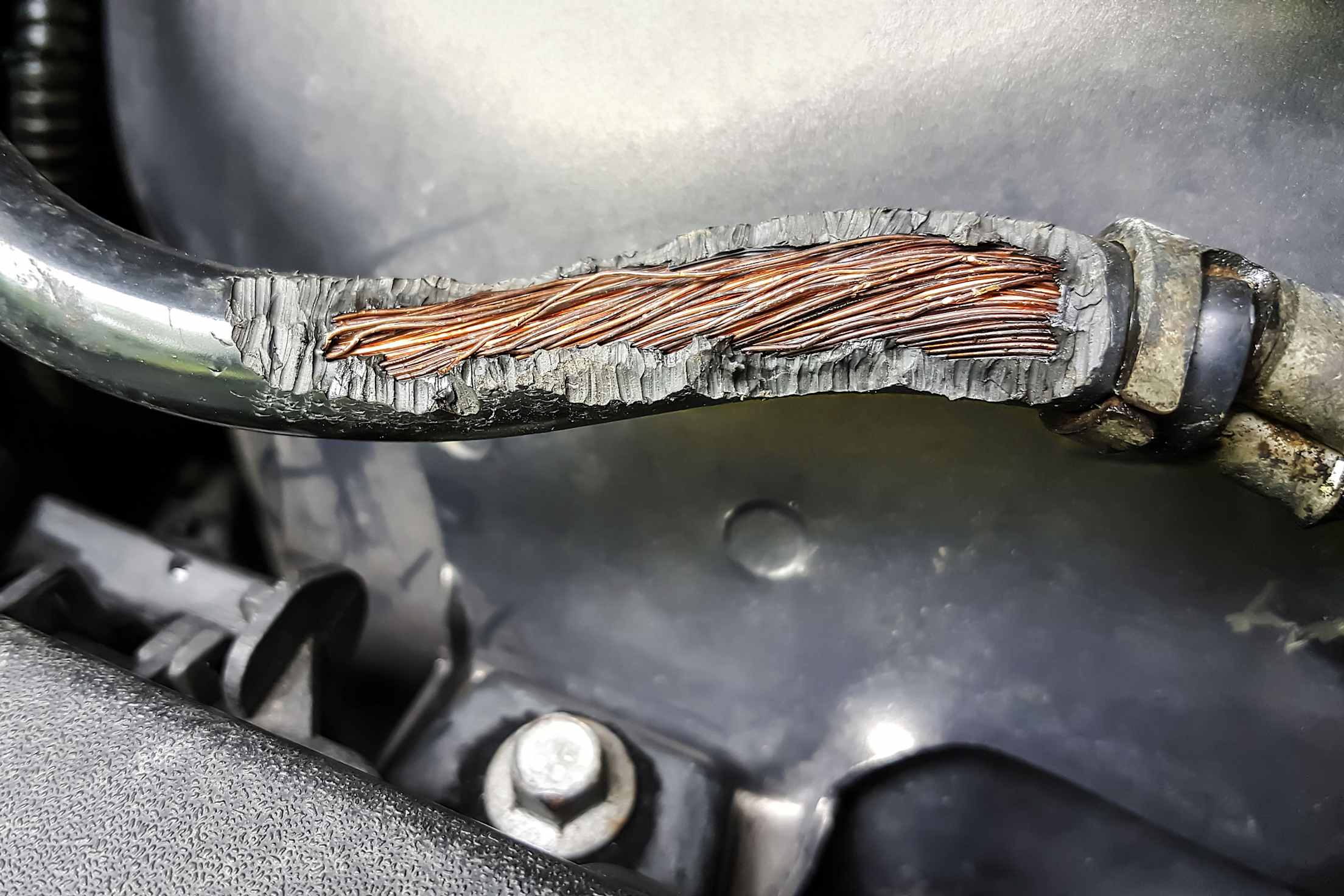
The damage these little critters do can be extensive, says Blair Calder, president and owner of Automatic Trap Company, based in Sonoma, California. “They will chew wires, they will chew hoses, they will eat insulation, they will nest.” One reason for all that activity: Rodents’ teeth grow continuously, which drives them to chew on things. (In fact, “rodent” comes from the Latin word for “gnaw”.)
But what’s completely natural for them, unfortunately, can lead to car damage for you. Calder says the biggest threat is to your vehicle’s wiring. Chewed wiring can impair several systems in your vehicle, potentially affecting your engine, brake lights, headlights, and more. Vehicles with extensive computer systems are at even greater risk. “It can be extremely expensive to rewire a vehicle,” says Calder.
Rodents are drawn to vehicles as a source of protection from the elements and predators. The front wheel well is a common point of entry, providing easy access to the engine block. They may also be attracted by the smell of garbage, crumbs, or pet food left inside the vehicle. Once rodents take up residence, they may leave behind droppings that can be hazardous to humans. Parts of your vehicle can be ruined, and the area where rodents nested can be rendered unsanitary.
How to Keep Rodents Out of Your Car
To avoid the costly hassle of dealing with the damage rodents can cause, here are some tips to keep them out of your car:
Keep It Clean
When you’re on the go, you might eat in your car (not while driving, please). That can leave crumbs and papers that attract rodents. You might have every intention of cleaning up after your meal, but you might also forget. In any case, it’s crucial to keep your vehicle clean. Remove trash, vacuum up food crumbs, and throw out clutter. All of that will make your car less inviting to critters.
Move Your Car
If you don’t use your car for a while, rats and mice might adopt it as a great place to nest. For that reason, simply moving your car regularly can minimize the squatters. Make sure to keep doors and windows fully closed—even a small crack can invite unwanted guests. Lastly, if you have access to indoor parking, leaving your car there can add a layer of protection: It makes entry more difficult for rodents, while also offering protection from the weather (which can drive rodents to look for a warm place to stay). If you have to keep your car outside, avoid parking next to trash cans, which attract rodents.
Use Repellent
Instead of leaving food smells inside that might attract rodents, you can use different smells to repel them. For example, rodents apparently dislike the scent of peppermint. You can buy rodent repellent with peppermint to keep pesky critters away. However, it’s not a one-and-done deal. You must spray every few days to get the best results.
One option Calder doesn’t recommend is ultrasonic repellers. These use high-pitch sounds that can be unattractive to rodents. But their efficacy is questionable.
What to do After Rodents Damage Your Car
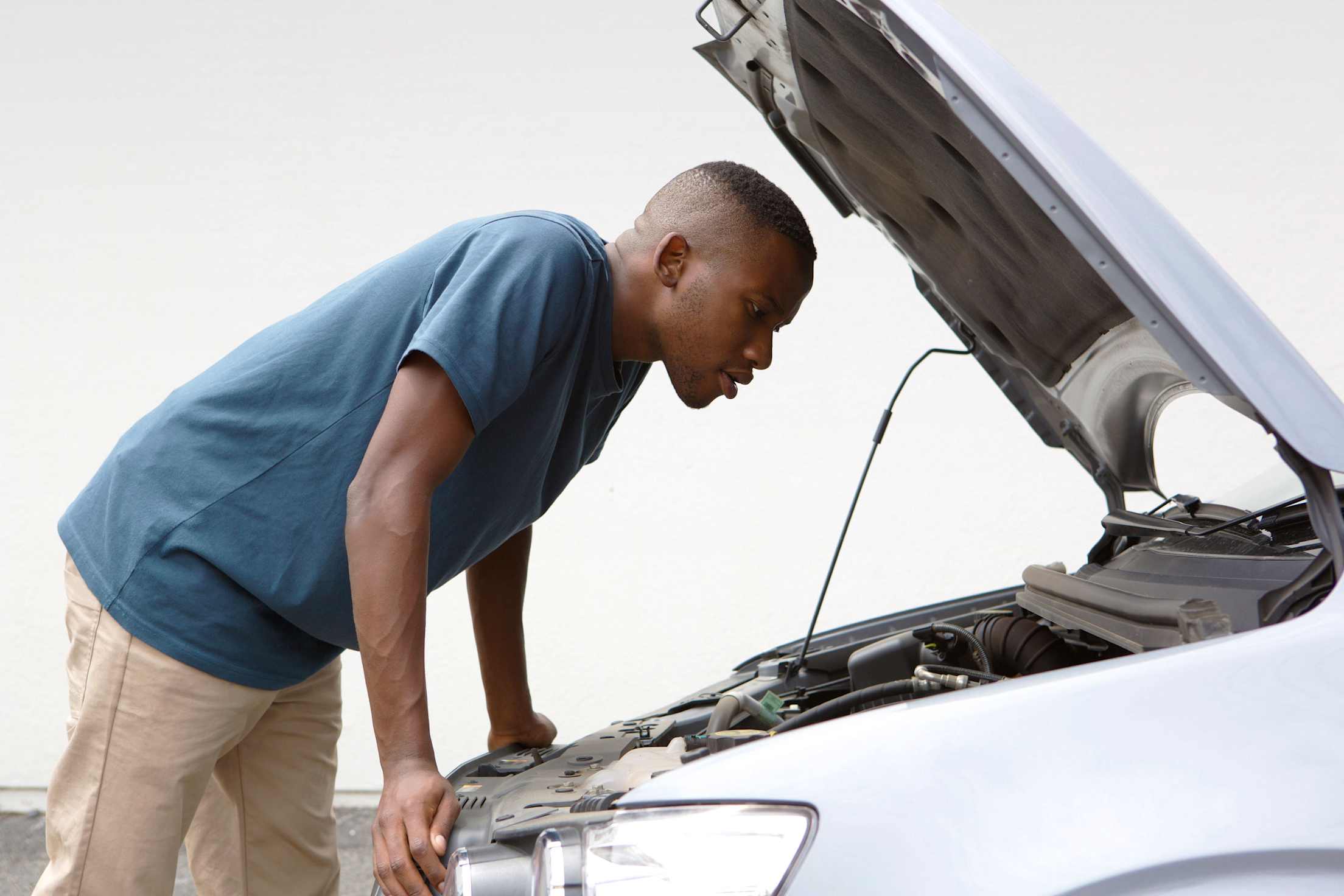
If rodents have already damaged or taken up residence in your car, consider setting traps. Some options are better than others.
“We advise against using poison baits,” says Hosea. “The poisons are transferable to any predators that may make a meal of the rodents who have ingested the bait, including household pets.”
You could also consider rodent traps; if you don’t like the idea of traditional ones, there are humane alternatives that allow you to catch and release the creatures. If you are open to traps, just be sure to put them in the correct location. Calder recommends placing them underneath the engine block, up against the inside edge of the tires.
If you find droppings or a nest in your car, use caution when cleaning up the mess. The U.S. Centers for Disease Control and Prevention (CDC) recommends using a disinfectant or making a bleach solution, with 1.5 cups of household bleach in 1 gallon of water. To stay safe, wear protective gloves. The CDC warns against vacuuming or sweeping rodent droppings, as that can disperse the germs they’re carrying into the air.