
Practical Ways to Avoid Car Break-ins
Auto burglary is on the rise. Here’s how to prevent it from happening to you.


In a region where car travel is king, auto break-ins are all too common across the West. California was the No. 1 state for thefts from automobiles in 2018, but since then the problem has leveled off or lessened in some California cities. While 2024 auto break-ins were down 50% in cities like San Francisco and Oakland, according to local police, hot spots remain. In 2025, 8,500 vehicle break-ins were reported in San Francisco. That’s roughly 23 incidents per day.
And nobody wants to have their day ruined by a broken car window or stolen laptop. Car break-ins can take place almost anywhere, anytime, in a matter of seconds; there’s a reason they’re known as ‘smash-and-grabs.’ That makes them difficult to stop. But there are steps you can take towards prevention. Here are tips for making your car a less-tempting target, along with guidance on what to do if you become a victim of the crime.
Lock your doors.
Rolling up your windows and pressing the lock button are fundamental steps in crime deterrence. Opportunistic thieves will go down the street in certain areas checking car doors. “Unlocked car doors are too easy to pass up for a car burglar,” says former Sgt. Christian Camarillo of the San Jose Police Department, adding that you should always double-check your doors after you park.
While it might seem like leaving them unlocked could minimize the cost of smash-and-grabs, you may be inviting thieves to rifle through your glove compartment and trunk, steal or damage internal components, take personal information from registration documents, or drive off with your vehicle.
Leave nothing, lose nothing.
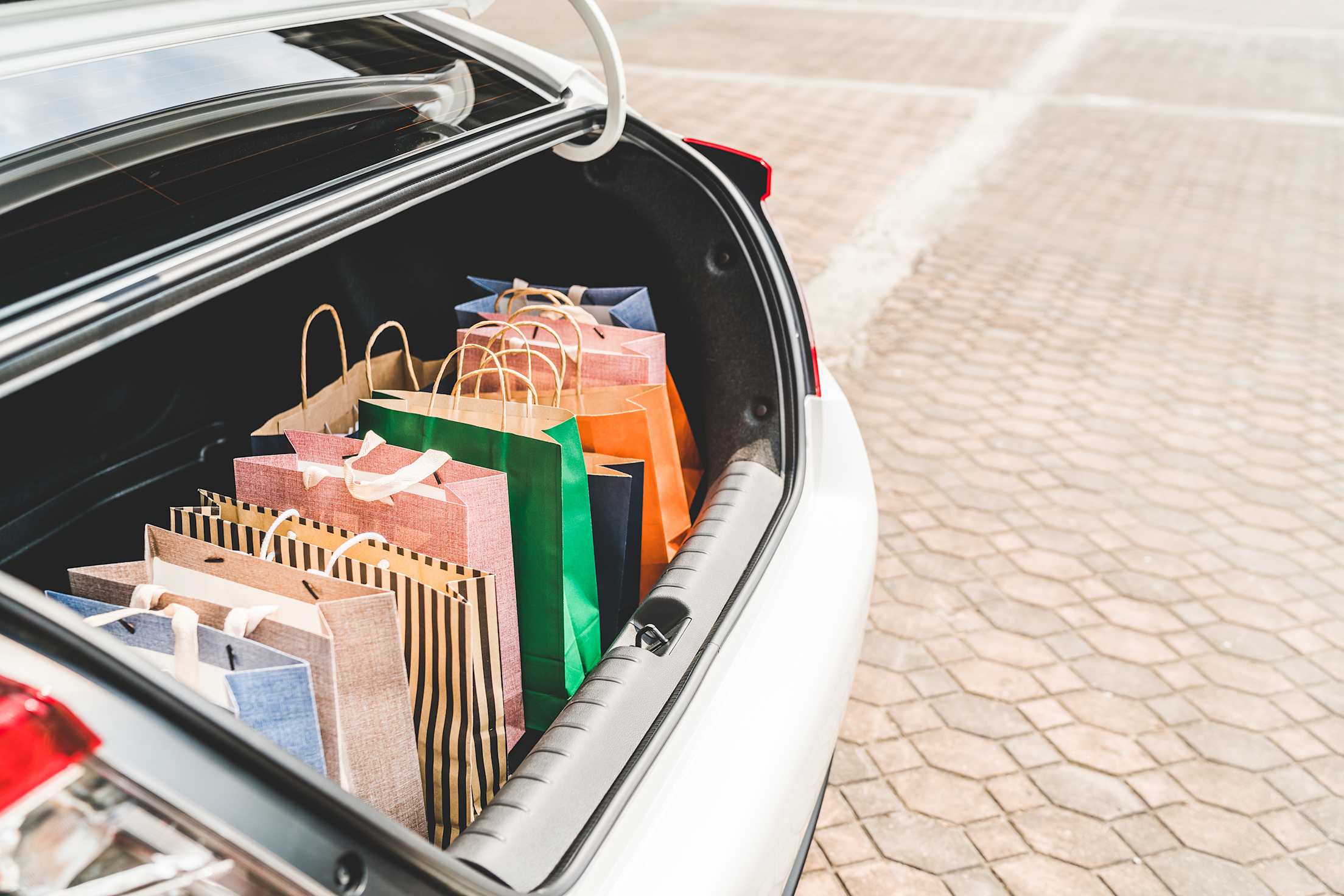
A cell phone charger. A pair of cheap sunglasses. An empty grocery bag. Leave nothing loose or visible in your car. Even if the items are of relatively little value to you, they could be a temptation for a thief, according to the San Francisco Police Department. What’s more, that thief might see those items as an indication that you have possessions of greater value hidden elsewhere in your car.
Never leave anything visible, and always take valuables with you. The SFPD recommends that travelers drop their luggage, jewelry, and other valuables, including passports and important documents, at their hotel instead of keeping them in their car.
Garage door openers are another item to be aware of. They’re easy to forget about, but thieves are on the lookout for them because they offer easy access to your house and all of your valuables inside, according to the San Jose Police Department, so never leave them in your car.
If you must leave behind any electronics, turn off their Bluetooth before tucking them away in the trunk or store them inside a Faraday bag that blocks all electromagnetic signals, making the devices invisible to scanners. Burglars can use a Bluetooth scanner to see what’s inside your vehicle and make off with your computer, tablet, or other gadget.
Assume that thieves are watching.
High traffic spots like tourist attractions, busy takeout restaurants, and coffee shops are magnets for thieves, so always take your purse or bag with you. In the few minutes it takes to run in for a cup of coffee, an observant thief can grab your computer bag and disappear.
If you have no choice but to keep some items in your trunk, stash them there before you arrive at your destination so that no one sees what you’ve tucked away. Another simple deterrent is to lock the trunk release lever in your car after you park to prevent a thief from using the lever to access your trunk.
Pick your spots.
Smash-and-grabs can happen almost anywhere, anytime. But certain locations can leave you more vulnerable than others. Try to park in busy, well-lit areas, rather than under overpasses or shady trees. The more visible your car is to the public, the harder it is for a thief to carry out a crime discreetly. If there’s a monitored paid parking lot or structure nearby, that can be a more secure option.
Report the crime.
Just as car break-ins are difficult to stop, the perpetrators can be hard to apprehend. But local police departments are doing their best, and they need your help to prevent these crimes. Call 9-1-1 if you see a break-in happening, and provide your location and a description of the suspect, if possible.
If your car is broken into, call your local police department's non-emergency number or file a report online, if available. In your report, include an estimated value of the stolen items as well as the serial numbers of any stolen electronics. Cancel stolen credit cards as soon as you can. Keep a copy of your police report—you may need it for your insurance claim.
Get insured.
Being a victim of a smash-and-grab car break-in is a logistical headache. It’s also costly. It typically costs between $200 and $500 to repair a shattered car window.
Even if you drive an old car that doesn’t warrant expensive collision insurance, California-based AAA insurance agent Susan Ferrell recommends that you consider getting comprehensive coverage, which protects against damage to your vehicle, including broken windows. AAA offers a range of coverage for auto glass, such as a Full Safety Glass endorsement that waives the typical comprehensive deductible on broken glass claims. If your window, windshield, or sunroof is shattered in a break-in, you pay nothing out of pocket.
Figure out how much auto insurance you really need by speaking with an expert at AAA.