
How to Keep Your Money and Credit Cards Safe While Traveling
Follow these simple, savvy steps to feel secure while adventuring abroad.


If, like me, you’ve ever discovered your credit card missing at the end of a pricey Croatian dinner or your cash vanished just when you’d found the perfect vintage lamp in a Parisian flea market, you know how quickly that adrenaline-fueled surge of panic can derail a relaxing vacation.
Happily, though, such disasters are less and less likely to happen thanks to the tools of modern financial technology. Follow these tips to protect against theft and loss while traveling.
Go light on cash.
How much cash do you need at the start of a trip? Once upon a time, you might have estimated your daily spending and set off with a stash to cover days or even weeks of expenses. But the answer to that question today is: much less than you think. Unless you’re planning an extended stay in a very remote or undeveloped location or headed to a local handicraft market, you’ll likely rely on a credit card for the most part. And for good reason; beyond convenience, credit cards have many additional benefits such as fraud protection, rewards points, and in some cases, rental car insurance protection and reimbursement for cancelled flights and lost luggage.
Be a credit card star.
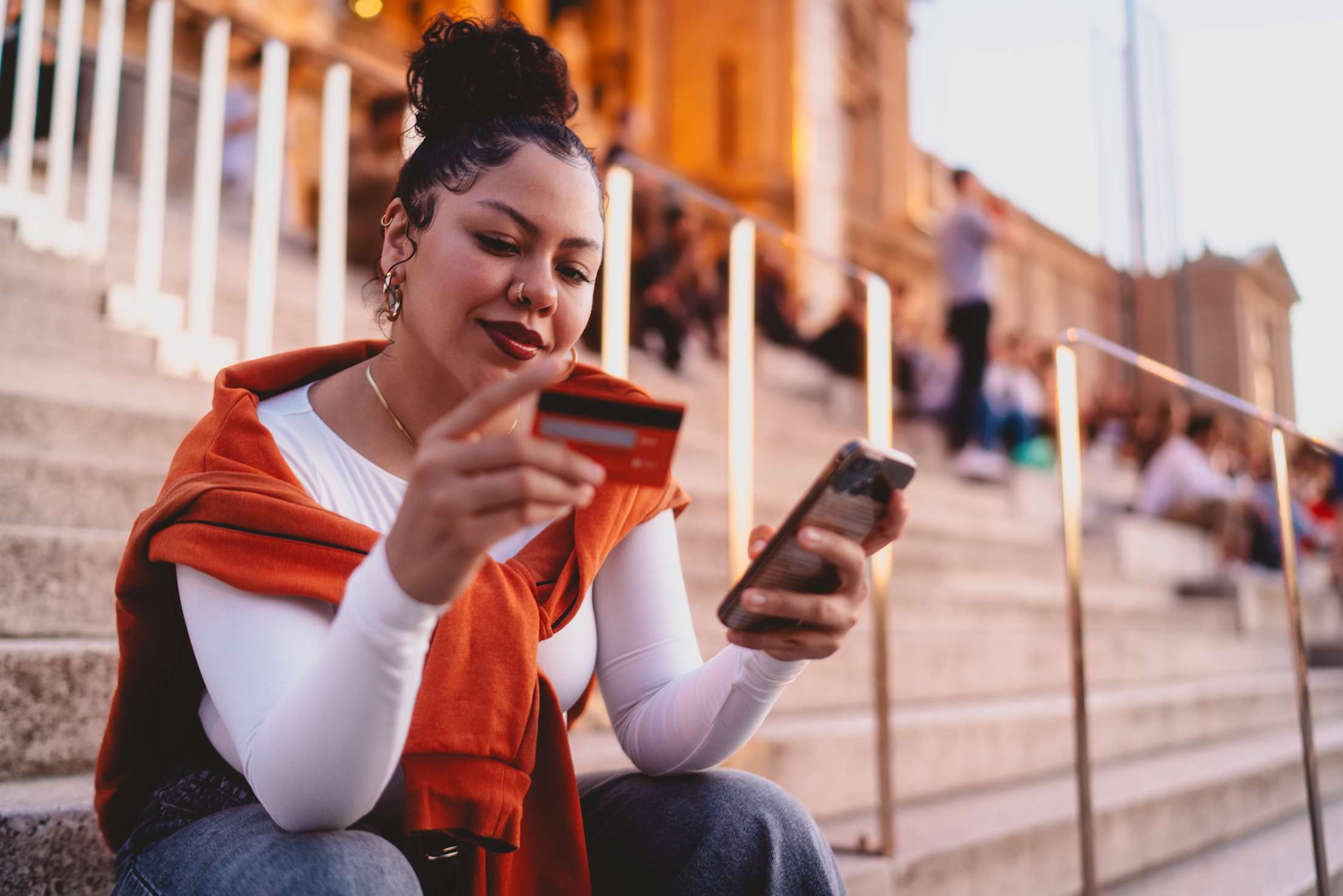
Speaking of credit cards, it is no longer necessary to alert credit card companies before you depart on an international trip, card companies say, though it’s fine to do so if it helps with pre-trip jitters. It’s also time to throw out the idea of making a copy of credit card information for safekeeping, which could be disastrous if your suitcase goes astray. Instead, download the apps for each credit card and turn on real-time fraud alerts, which will provide instant notification in case of suspicious transactions. You can also turn on alerts for every purchase, or for every purchase above a set dollar amount, but this can get a bit overwhelming. If you have trouble memorizing card and pin numbers, store them in a secure password app that offers two-factor authentication. When it comes to choosing which cards to bring, check the standards of your destination, since some cards are more widely accepted outside the United States than others.
Balance security with convenience.
When out and about, keep the majority of your day’s spending money—and your passport, if you need it with you—in a money belt, neck pouch, or crossbody bag with strong, slash-resistant straps. The problem, of course, is that it’s a hassle to fumble into a carrier for every tip or cup of coffee, which can lead to careless cramming of cash into any place handy. Instead, consider putting a small amount of cash and one credit card in a card holder or pouch to carry in a deep front pocket, hidden inner jacket pocket, or separate outer pocket of your carry bag. Backpacks and back pockets are a no—you don’t want anything valuable out of sight or beyond reach. For the rest of your valuables, your hotel safe is the best place to keep them as long as you take advantage of its security features and set a pin only you will know.
Choose and use ATMs smartly.
Bank-affiliated ATMs are always the best choice because they’re maintained and monitored, and may even have security cameras. And you’ll likely be the most secure using a machine located inside a bank branch when possible. Stand-alone street ATMs are usually fine, but check them for skimming devices, such as credit card readers overlaid on top of the original slots or keypads. Before inserting your card, check to make sure the slot and keypad are embedded in the machine and nothing is loose, raised, or attached to the surface. No matter the location or what type of machine, it’s always important to check for people watching and to shield the keypad while you enter your PIN.
Avoid pickpockets.
Pickpockets favor crowded areas such as markets, subways, and tourist areas, and they thrive on distraction. Beware of scam techniques such as the bump-and-grab and two-person tactics in which one person asks for directions, offers a bracelet or other trinket, or asks you to sign a petition while another makes a grab for your valuables. Looking confident, aware, and street-smart is protection in and of itself, so plan your route in advance or pause, orient, then walk rather than checking your phone or map while on the move.
Get familiar with RFID technology and contactless pay.
Almost all credit cards issued within the past few years feature RFID technology (indicated by a small radio wave symbol that looks like a sideways Wi-Fi symbol on the card) which allows the card to communicate with the payment terminal via radio frequency rather than contact with a magnetic strip. Concern about potential theft from remote RFID readers has given rise to a whole industry of RFID-protective gear, but such shielding is largely unnecessary and ineffective, experts say. First, RFID cards use encrypted one-time codes, called tokens, for every transaction, preventing would-be thieves from storing your information. Second, RFID signals are so weak that a reader would have to be within inches to pick them up, which makes this theft high risk with little reward for would-be thieves. Mobile contactless payment methods like Apple Pay and Google Pay use the same single-transaction token system, making them equally secure—or more so, since there is no card to be lost. And even if you lose your phone, your financial information remains secure thanks to the biometric identification, PIN, or pattern lock.
Strengthen your online security with ProtectMyIDⓇ, FREE for AAA Members. Enroll to begin services.