
How Long Will Your Car Last?
200,000 miles is no longer the end of the road.


Whether you’re considering a new car purchase or you’ve been driving your old ride for a decade or more, you’ve probably wondered how long that car will last. Unfortunately, there’s no definitive way to tell.
“There is no perfect method to predicting the longevity of a vehicle,” says Richard Martinez, shop manager for AAA. But you can make some informed guesses. More importantly, wherever you are in that car’s lifecycle, there are things you can do to make sure it lasts as long as possible.
Cars last longer.
Do cars last as long as they once did? The answer is unequivocally yes, according to Keith Barry, autos editor of Consumer Reports—in fact, they seem to be lasting longer.
“When I was younger, a car that had 100,000 miles on the odometer was ready for the scrap heap,” says Barry. “Twenty-five or 50 years ago, cars sometimes didn’t even have a sixth digit on the odometer, because they weren’t expected to last that long.”
What about today? Bureau of Transportation Statistics data shows the average age of passenger cars and light trucks currently on the road is 13 years, up from just under nine years in 2000.
“That means there are a lot of cars out there that last longer than 13 years,” says Barry. At the national average of 12,200 miles per driver per year, the typical 13-year-old vehicle would have more than 150,000 miles on it. But many drivers don’t stop there. “In our surveys, more car owners than ever tell us that their cars are lasting 200,000 miles or more,” Barry says.
When it comes to an aging vehicle, many car owners worry about mechanical breakdowns, difficulty getting parts, and body damage (including rust). But Barry says, “As a whole, engines, transmissions, and batteries are more reliable than ever.”
Vehicle technologies—and their ongoing support—are more of a concern, especially for more advanced luxury vehicles. “A few years ago, phone companies shut down the 3G cellular networks that powered some in-car features,” says Barry. “Automakers now tell us that they will definitely support software for 10 or 15 years—but they make no promises beyond that.”

How to Buy a Long-Lasting Car
If you want to drive your next car until the wheels fall off—and you’d prefer they don’t fall off prematurely—buying right is critical.
That starts by considering exactly what you’ll really need from the vehicle: How long do you want to keep it? What will your driving life be like over that time period? Will you be expanding your family, changing jobs, moving to a new area, or anything else that may impact what you’ll need out of a car?
The other key consideration is brand. Consumer Reports offers comprehensive reliability data on both new and used cars (which is accessible with a membership or available for free through your local public library). “Most of the cars and SUVs that our survey respondents tell us have lasted 200,000 or more miles are Hondas and Toyotas,” says Barry. On the flip side, Martinez says, “Land Rover, Jaguar, Jeep, and Fiat are known for being less consistent in reliability and longevity.”
If you’re buying used, the previous owner—and how well they maintained the car—will play a big role in how the vehicle holds up in the long run. If you’re lucky, you’ll get a binder full of records from the seller. At least go online to download a detailed Carfax report.
But knowing the vehicle history is not always possible, especially if you’re buying from a dealership. A prepurchase inspection at a mechanic of your choice, while always critical, is especially helpful when you can’t get such documentation. That will allow you to understand the condition of the vehicle and the repairs it needs before you buy.
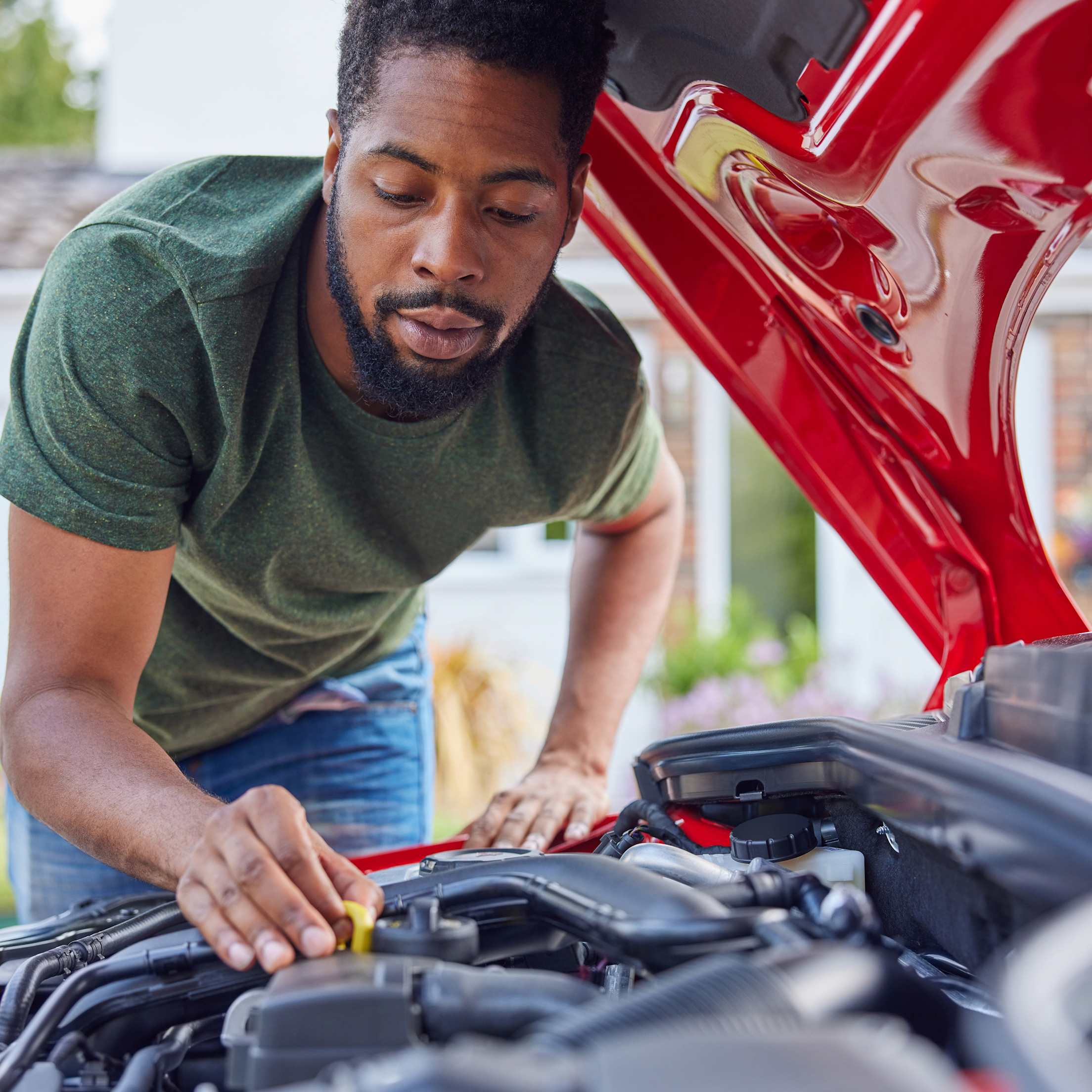
What You Can Do to Help Your Car Last Longer
However you source your vehicle, there are things you can do to keep it young at heart.
Driving Habits
Driving habits have a significant impact on your vehicle’s longevity. “The harder you drive a car, the more stress and strain you’re putting on it,” says Barry, “and the faster parts will wear out.” Avoid rapid acceleration and speeding, and ease into stops whenever possible, without riding the brakes. Practice defensive driving to avoid accidents.
You also want to actually drive your car instead of letting it sit for extended periods. Machines need to be used to keep everything operating as it should. Long-distance driving at highway speeds doesn’t impact longevity nearly as much as frequent short trips or long periods of idleness.
Maintenance
Any car is fixable. But the question really is, how much will you pay for those fixes before you decide it’s time to cut your losses and get a new vehicle?
Preventive maintenance is key to getting your car to over 200,000 miles, as it reduces the occurrence and frequency of major failures. That means taking care of your car when there isn’t anything wrong with it to avoid things going wrong in the first place.
“Oil changes are important, because clean oil is what keeps the moving parts in your engine moving smoothly,” says Barry. Consult your owner's manual to better understand what preventive maintenance your car needs. It will tell you how often to change your oil, rotate your tires, replace your spark plugs, and more.
Such maintenance is the bare minimum. If you regularly make short trips, tow anything, or drive in stop-and-go traffic, you may need to follow the severe driving schedule in your owner’s manual. AAA has found that drivers significantly underestimate how much of their driving is considered severe. If you aren’t sure or just want to learn more, consult the manual.
Tires are important, too. Although they are replaceable, if you don’t maintain them, “traction can be the difference between avoiding a crash and getting into one,” says Barry. Make sure your car is properly aligned, or you’ll wear out your tires prematurely.
Finding a mechanic who you can trust and building a relationship with them is critical to this mission. “The longer you own your car, the more you’ll need the advice of a trusted independent mechanic,” says Barry. “You want someone who can explain to you which repairs are necessary to preserve your car, which ones aren’t worth throwing good money after bad, and when it’s time to say goodbye.”
Paying attention to your car is also critical. It’s all too easy to turn up the radio and ignore a noise that wasn’t there last week. Dash lights could be nothing or could mean major problems are afoot; sometimes it’s easier to ignore them, hoping they’ll just go away. But in this case, ignorance can be less than blissful. If something feels, sounds, or looks wrong, take your car to your mechanic, so you can make an informed decision about how to move forward. You may catch a problem before it snowballs, and help your car to drive another day.
Let TrueCar help you find your next new or used car.