
How to Care for an Infrequently Used Vehicle
What happens to your car when you don’t drive it much?


Question: “I drive my car a few times a week, and then only around town. How often do I need to have oil changes and normal maintenance done?” —L. Schnell
Answer: Infrequently driven cars do indeed pose maintenance challenges, particularly when it comes to the battery, fluids, gasket seals, and tires. But before we get to the maintenance advice, let’s define what “infrequent” means.
The key metric is thermal cycles, not miles, according to Joshua Wahl, car repair manager for AAA Arizona. “‘Normal’ use isn’t just about hitting 10,000 miles a year,” Wahl says. “It’s about driving long enough—usually 15 miles or more—so that the oil gets hot enough to evaporate the moisture and fuel dilution that naturally builds up inside the engine.”
A car is happiest when the engine regularly reaches its full operating temperature—usually 195–220 degrees. At a minimum, you should drive enough to hit that temperature at least once a week. If you can’t reach that level of activity, then start keeping an eye out for some telltale signs of trouble, especially in four of your vehicle’s subsystems.
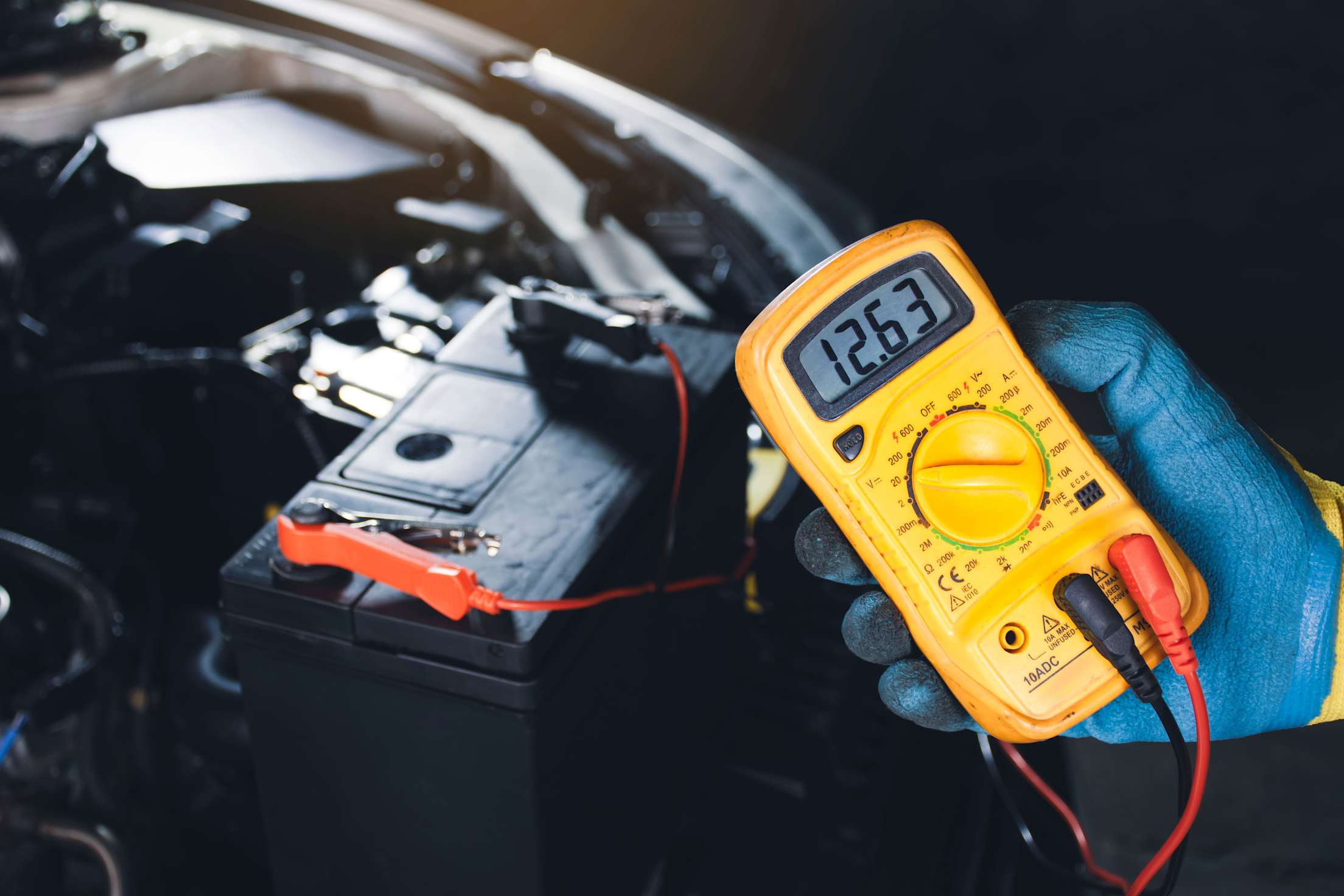
Drained Battery
“Modern cars are never truly off,” says Wahl. Computers and security systems constantly sip power—even when the car isn’t in use. After a few weeks, these sips can drain the battery. That’s one advantage of older cars: They’re less susceptible to such battery depletion because they generally have fewer computers.
“Think of your battery like a piggy bank,” Wahl says. “If you’re doing a lot of short trips or not driving that often, it’s like you’re taking change out of your bank without filling it back up. If you keep doing that, eventually that bank’s going to be empty.”
If you hear a clicking noise when you try to start your car, or if the interior lights are unusually dim, that could mean the battery is low.
Fortunately, there’s a handy device that can help prevent this passive energy drain: a battery maintainer. You connect it to your battery, which it slowly tops off as needed. But shop carefully: There are devices on the market that aren’t particularly smart, which you must disconnect manually to avoid overcharging the battery. There are also some that charge the battery quickly in emergencies. But such fast-charging can be hazardous to the battery’s long-term health.
If your battery drains completely and you can’t slow-charge it back to 100%, you can jump-start it and then drive for half an hour or more. That should be enough to recharge it. It’s a good idea to have the battery and alternator tested if the former goes dead; there could be an underlying problem. If you leave a battery drained for a long time, it will likely need to be replaced. (AAA can help there by dispatching a mobile battery technician or tow truck.)
Aging Fluids
Fluids in your car don’t react well to inactivity, Wahl says. For example, engine oil holds contaminants in suspension; when the car sits, those contaminants can settle and make the oil sludgy and therefore less effective. That’s why you need to change it regularly.
How often is that? Wahl recommends following the oil manufacturer’s guidelines. (They may not match the recommendations in your vehicle’s owners manual.) “A good general guideline for conventional or semisynthetic oil is every 3,000 miles or so,” he says. “If your oil is fully synthetic, every 5,000 miles should be good. If you’re driving very little—1,500 to 2,000 miles a year, say—make sure you’re changing it once a year.” If you’ve left the car in storage for six months or more, it’s a good idea to get a full oil change before you start using it regularly again.
Brake fluid is hygroscopic, meaning it likes to absorb moisture from the air. If the fluid sits too long, absorbed water can turn it acidic, which can corrode brake lines. One sign: Braking feels spongy. It’s a good idea—if you leave your car idle for an extended period—to get a full brake fluid flush when you return.
Speaking of brakes, Wahl warns that if your vehicle is going to sit for months, you shouldn’t engage the parking brake. If you do, the metal cable can stretch, or the pads can adhere to the rotors; in older cars, the shoes can stick to the drums. That, in turn, can lock the wheels. Instead, use wheel chocks to keep the car from rolling.
Brittle Gaskets
Engines generally use rubber gaskets to keep fluids inside where they belong. Those seals stay supple—and therefore effective—by being splashed with oil during use. When a car isn’t driven for a long time, the seals can dry out and shrink. Then, when you finally do drive, the high pressure of the running engine can blow them out.
Wahl recommends putting a piece of cardboard under an underused or idle car, so if you have a leak, you can tell its location and color.
Fortunately, the fix is straightforward: Driving the car at least once a week for 20 minutes or more will get those fluids moving and keep rubber components lubricated.
Flattened Tires
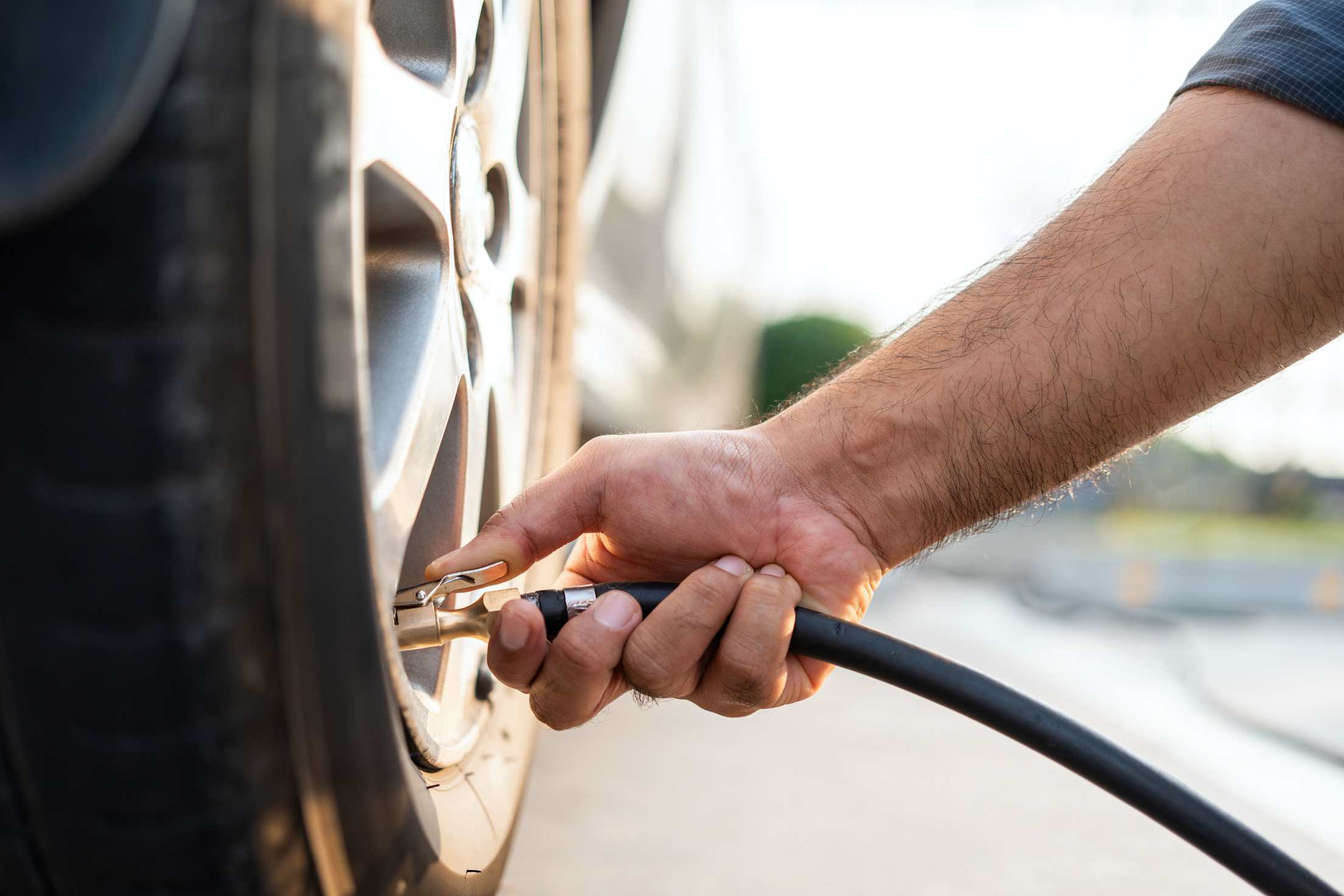
Tires aren’t just made of simple rubber. They also contain a mix of chemicals, including plasticizers that help keep the rubber bouncy.
When a car is parked in one place for a long time, with its full weight pressing down on the same spots, those plasticizers can be squeezed out. That can lead to excessive vibration or thumping when you drive. The key is to make sure the tires rotate often enough to prevent flat spots. This usually isn’t a problem on cars that are driven regularly, even if infrequently. It’s more of a problem for vehicles that don’t move for months at a time.
“If the car just sits in a garage with the weight on one portion of the tire for, say, six months or a year, there’s a good chance the rubber will chemically change to the point where it won’t return it to a truly round shape,” says Wahl. Such chemical changes—often called “dry rot”—are especially problematic in hot climates such as Arizona’s. The warning signs: brittle, cracked, or discolored rubber.
Dry rot is particularly troublesome if it’s on the sidewall. “There’s no repairing that,” says Wahl. You might be able to get by with a little dry rot in the tread of the tire for a short while, but you should still plan to replace the tire as soon as possible.
One preventive measure is to overinflate the tires a bit—a couple of PSI above the manufacturer spec listed on the door frame—before you put the car into storage. That will provide a stiffer structure and reduce the surface area vulnerable to flat-spotting. When you return, take the car out for a long drive. That will warm up the rubber and, if the flat-spotting isn’t permanent, return the tires to a round shape. But if the vibrations or thumping don’t go away, it’s time for new tires.
You could consider putting the vehicle on jack stands for long-term storage. But to do that safely you need to know what you’re doing—specifically, where to place those stands under the car. For that reason, this is an option primarily for collectors, not for everyday owners.
Other Hazards of Inactivity
There’s another problem that can befall an inactive vehicle: Many rodents love the warm, protected space under the hood. They may also love the taste of wire insulation. (Some wire coatings have a dextrose base—essentially, they’re wrapped in sugar.) In those cases, squatters may chew through the wiring.
To deter critters from taking up residence in your vehicle, Wahl recommends deploying peppermint oil under the hood; rodents hate the smell. You could also try plugging the tailpipe and air intake with copper or steel wool. Just be sure to remove those plugs before starting the car again.
Get a fresh new battery delivered and installed where you want—roadside or at home—with Mobile Battery Service.