

6 Affordable Places to Go in the West in 2026
These scenic vacation spots are easy on the eyes—and your wallet.

At these destinations, frugal travelers will find festivals, national monuments, cultural hot spots, and epic expanses without the expenses.
Monument Valley and Navajo National Monument, Arizona
After a sharp decrease in visitation from 2020 until 2023 and a dip in international visitors to the U.S. in 2025, some tour operators on the Navajo Nation are reducing prices to try to encourage more people to visit. Dineh Bekeyah Tours is offering 5% off Monument Valley excursions booked through February 28. Their Diné (Navajo) guides drive travelers to iconic spots like the Mittens and John Ford Point and hidden alcoves etched with Anasazi petroglyphs, while delving into Diné culture and spirituality. If you’re looking for budget motels, head 25 miles south to Kayenta. Within Monument Valley, consider investing in an unforgettable experience: Bunk in one of Verna Yazzie’s Navajo eco hogans (from $267.90), which are crafted from juniper logs and red earth, layered with Navajo rugs, and surrounded by spectacular night skies.
About 50 miles southwest, Navajo National Monument, a vermilion canyon concealing three ancient citadels, is so spectacular it’s surprising this site isn’t better known. It’s even more amazing that admission, guided hikes, and the campground are all free. On a self-guided saunter along the 1-mile Sandal Trail, you can overlook Betatakin, a 135-room dwelling carved out of a cliff in the 1200s by Ancestral Puebloan people. On weekends between Memorial Day and Labor Day, rangers lead strenuous 3- to 5-mile hikes to close-up views of Betatakin.
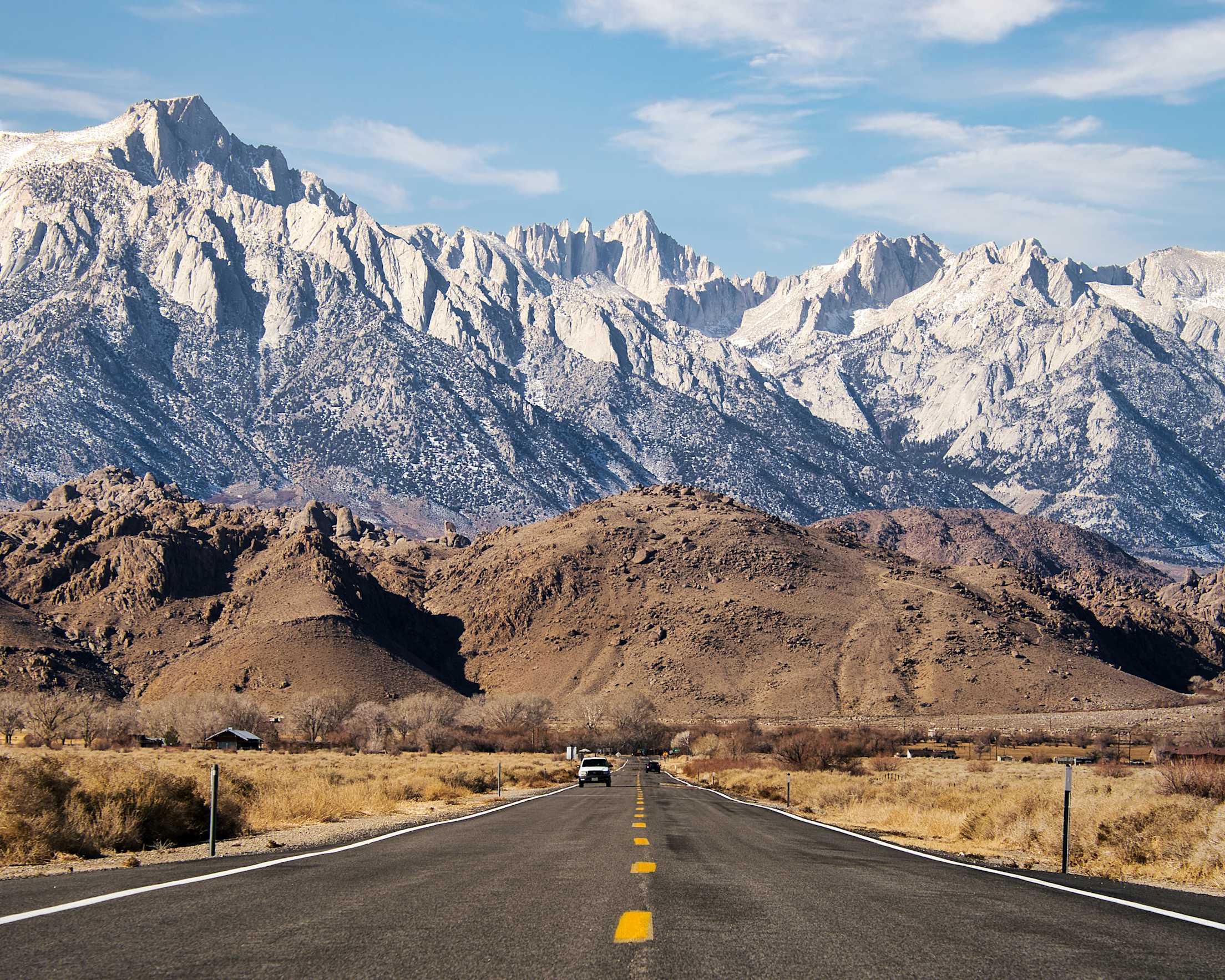
Highway 395, California
Glorious Sierra Nevada mountain scenery extends far beyond the borders of busy national parks. Highway 395, a necklace stringing together several of the Golden State’s natural jewels, offers a chance to escape some of the throngs and the money pits. This photogenic jaunt begins at Mono Lake, a 1-million-year-old, brackish body of water aflutter with millions of migratory birds. The lake is most famous for its otherworldly tufa towers: calcium carbonate spires as knobby and wrinkled as melted candle wax. From here, head south to Bishop, an easy-breezy base for encounters with other gnarly natural wonders at the Ancient Bristlecone Pine Forest. Amble along the 1-mile Discovery Trail to marvel at the trees that are some of the oldest organisms on Earth, many of which have been keeping hardy and healthy for more than 4,000 years.
Continuing south on 395, you’ll reach the Alabama Hills, a jumble of bulbous boulders and mini granite arches framing views of jagged mountains. Several popular movies were shot here, as you’ll learn in America’s only Western film museum, located in nearby Lone Pine. From the Whitney Portal area, about 20 minutes west of Lone Pine, you can camp, picnic, and trek 6 miles along the Mount Whitney trail to Lone Pine Lake where the water reflects blue sky, gray peaks, and green pines.
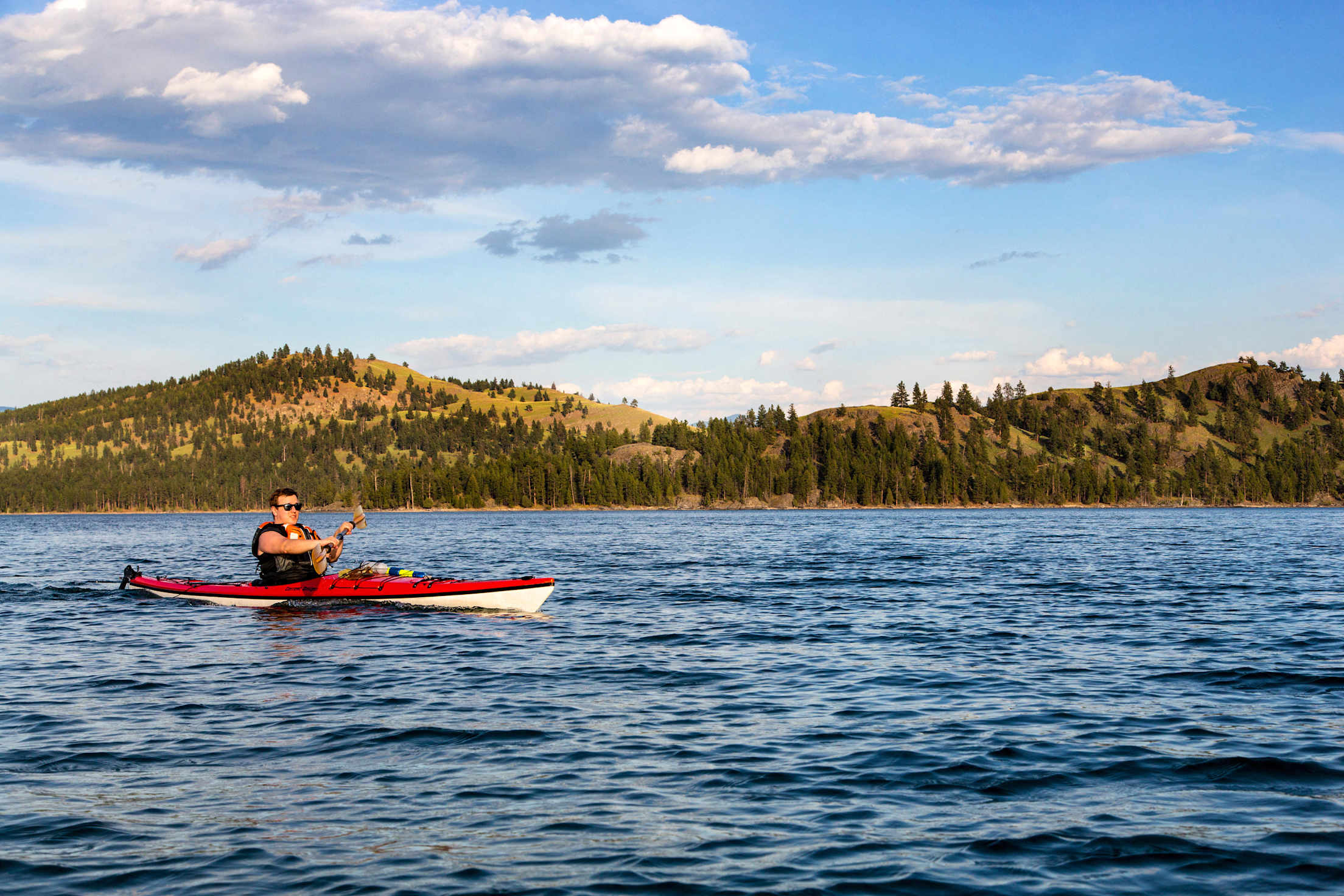
Flathead Lake, Montana
At the largest natural freshwater lake in the West, you can indulge in classic summer pleasures without splashing out the big bucks. The approximately 90-mile drive encircling Flathead Lake corrals six state parks and a smattering of charming small towns, plus campgrounds and cabins at modest prices. On the western shore, Big Arm Boat Rentals and Rides offers a shuttle boat ($45) or kayaks for the 3-mile jaunt to Wild Horse Island State Park. On this 2,160-acre idyll, ramble rolling hills punctuated with ponderosa pines, panoramic lake views, and possible sightings of mule deer, bighorn sheep, and five wild horses—allegedly descendants of a herd secreted away by the Salish and Kootenai Tribes.
In Polson on the southern shore, the Flathead Cherry Festival in late July brings a bumper crop of sweet treats and handcrafted goods. As you drive up the eastern banks, make a pit stop at the Orchard at Flathead Lake for organic cherries, homemade goodies, and tours. On the northern side of the lake in Bigfork, listen to local bands and nosh on food truck fare in the park at the $5 Riverbend summer concert series. Browse creative and culinary offerings at the free Bigfork Festival of the Arts in August. And at Flathead Lake Brewing Co., tuck into an elk-bison burger washed down with wild huckleberry ale.
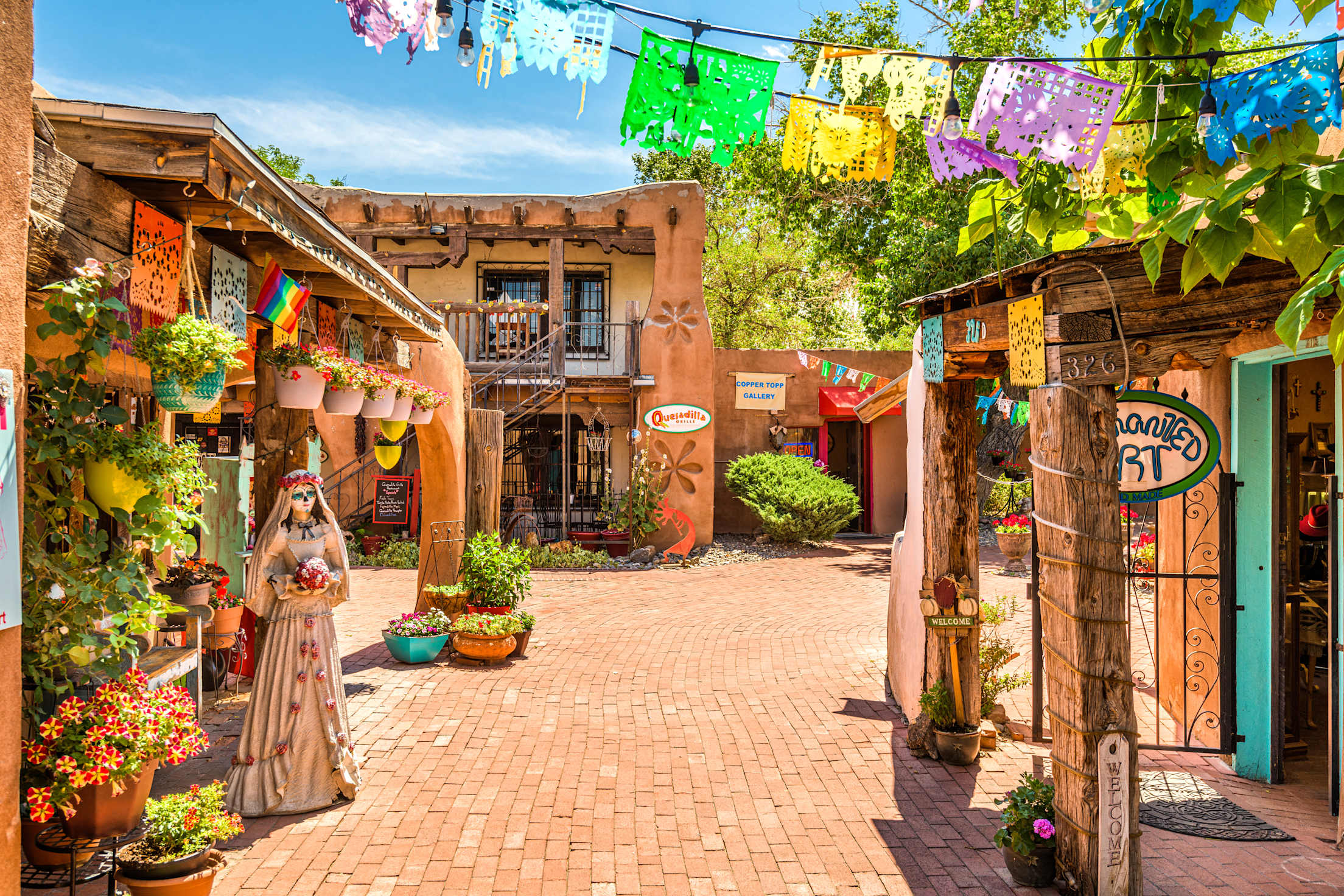
Albuquerque, New Mexico
From April 24–25, visitors will get their last chance to see North America’s largest powwow, the Gathering of Nations, which is saying farewell to Albuquerque’s fairgrounds after 43 years. More than 3,000 Indigenous performers will sing and dance in traditional beadwork, buckskin, and feathered regalia. The event (general admission from $25) also features a market with 300 arts-and-crafts vendors and a horse parade. Outside of the powwow, Albuquerque serves up multicultural offerings as rich as New Mexico’s chile-spiced fare—at mild prices.
The National Hispanic Cultural Center ($6) showcases thousands of works from Hispanic artists. Petroglyph National Monument (free) protects more than 25,000 images pecked into volcanic rocks by Native peoples and Spanish settlers 400 to 700 years ago. The Indian Pueblo Cultural Center ($12) immerses visitors in a multimedia introduction to the 19 Pueblo cultures in New Mexico. The Albuquerque Museum ($6) will present two exhibitions honoring the 100th anniversary of the Mother Road: Fred Harvey’s Route 66 (Apr. 11–Dec. 6) and The Other Route 66 (June 6–Jan. 3). Albuquerque boasts the country’s longest continuous urban stretch of Route 66—an 18-mile slice of nostalgia studded with restored vintage signs. Along the route, fuel up with chili dogs at the 1948 Dog House Drive In and ice cream floats at the 1929 Lindy’s Diner, then pay throwback prices at roadside inns like The Monterey Motel.
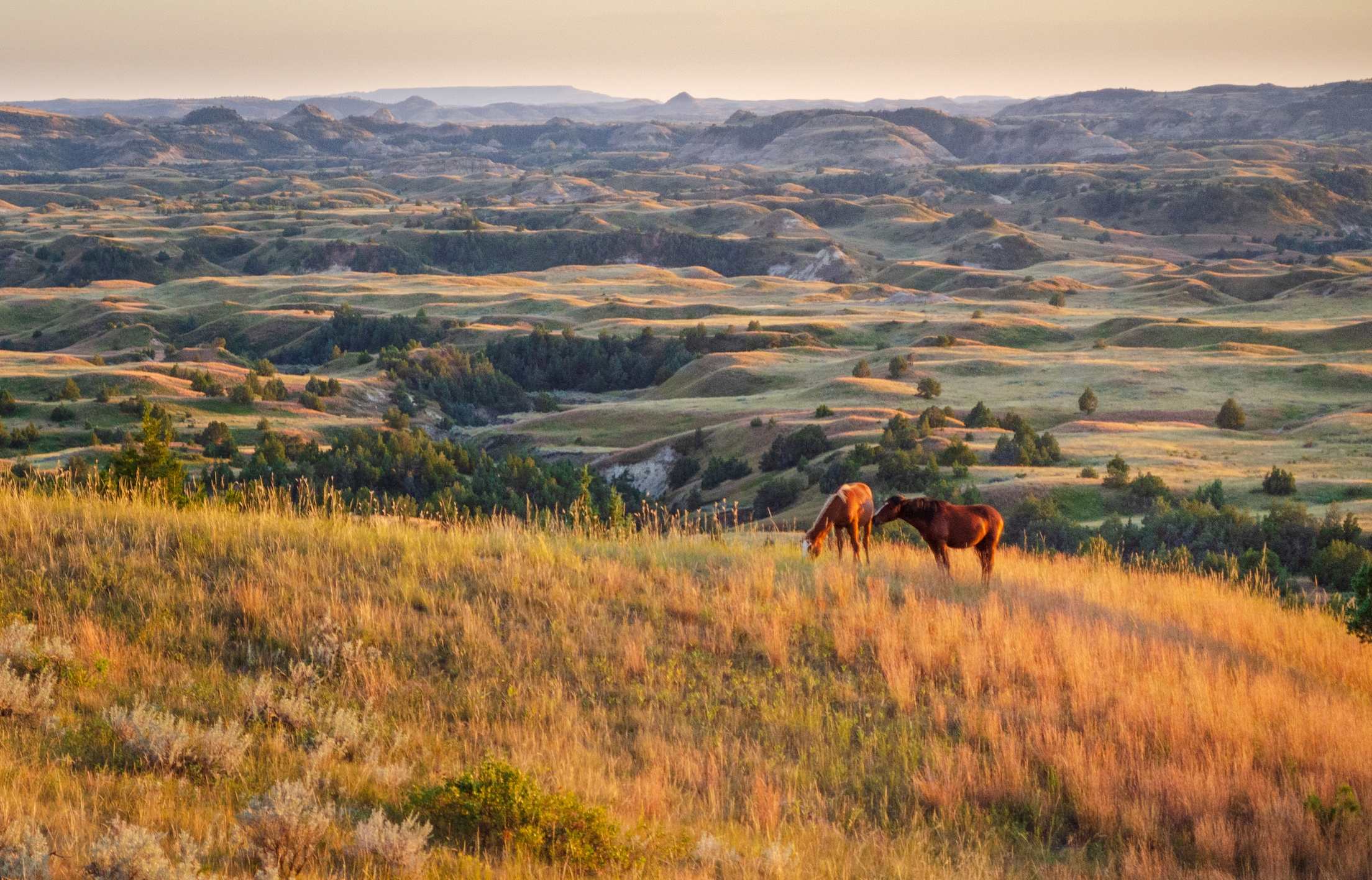
Medora and Theodore Roosevelt National Park, North Dakota
On July 4, the United States’ 250th birthday, the Theodore Roosevelt Presidential Library is slated to open in Medora, an unsung outpost 25 miles from the Montana border. It’s an ideal excuse for a rustic (and penny-wise) road trip. Roosevelt is often called “the conservation president,” because he helped establish five national parks and protect 230 million acres of land for the public. The library is designed to inspire and reflect Roosevelt’s environmental stewardship, aiming for zero energy, water, emissions, and waste. The building blends into the badlands with its earthen roof and stratified interior. A nearly mile-long boardwalk beckons visitors to gaze across a prairie to Theodore Roosevelt National Park.
At the national park (entry fee $30 per vehicle), wind along the 48-mile scenic drive, spying bison, mule deer, wild horses, and prairie dogs peeking out of a metropolis of mounds. Traipse along the 1-mile Painted Canyon Nature Trail through meadows studded with wildflowers, juniper, and buttes striped with hues of blush and bone. Watch the sun set behind the Little Missouri River from the half-mile Wind Canyon Trail. In Medora, pop into Roosevelt’s Maltese Cross Cabin, take a self-guided audio walking tour, then savor a cowboy cookout and cornhole with a view at Pitchfork Steak Fondue in summer. At Medora Campground, camp like Roosevelt did in 1883 or bed down in a 19th-century-style covered wagon on the banks of the Little Missouri.
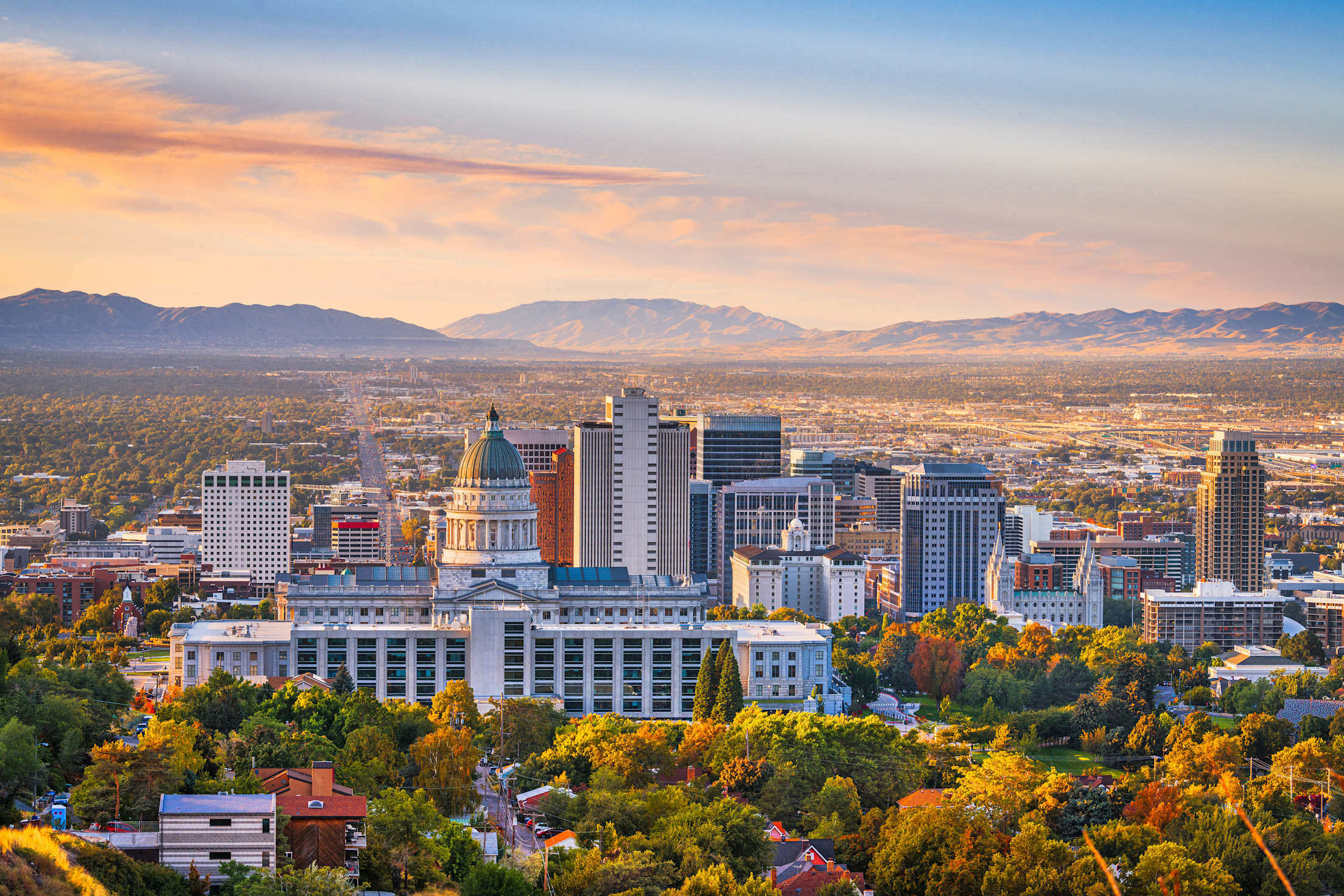
Salt Lake City and Deer Valley Resort, Utah
This urban-alpine area is getting a glow-up. Salt Lake City is entering its cool era, and Park City’s Deer Valley is in the midst of the largest ski resort expansion in history. While swank ski resorts and lift prices are notoriously eye-watering, thrifty travelers can visit in summer. Day trip to Deer Valley and stay in more wallet-friendly Salt Lake City. In Deer Valley, ride the chair lift (last summer’s rates came in at $10 to $30 for adults, free for kids) to mid-mountain Silver Lake Village or the summit of Bald Mountain. From either locale, set off on a hike through wildflower-stippled slopes overlooking ravishing vistas. At the Grand Hyatt in Deer Valley’s emerging East Village, soak up the sumptuous setting while snacking on elevated bar bites like Wagyu “pigs” in a blanket or indulging in a High Chocolate experience, a spin on British afternoon tea with steaming cups of cocoa and decadent pastries instead of teacups and tiny sandwiches.
In SLC, meander the Maven District, a hip mosaic of more than 50 women-owned businesses brightened with murals by local artists. Acrely Farms crafts salves, scrubs, and oils from hemp and other botanicals on its farm. Lovebound Library only has eyes for romance books. Tandoori Taqueria slings sustainably sourced, zestily spiced tacos in naan “tortillas.” A mile away in the Granary District, hop between breweries, live music venues, and a massive skatepark and bouldering gym.