
8 Must-See Indigenous Museums and Cultural Sites in the West
Roam beautiful galleries, sit transfixed at a live performance, and more.


Indigenous communities have been shaping the North American West for tens of thousands of years. Today, dozens of museums, cultural sites, and natural landscapes across the region share the traditions, artistry, and knowledge of Native American people. From Wyoming’s striking Devils Tower to captivating Alaska Native dance performances, here are eight Indigenous museums, sites, and experiences that bring history and culture to life across the West.
Alaska Native Heritage Center in Anchorage, Alaska
Spanning 26 acres of wooded land in northeast Anchorage, the Alaska Native Heritage Center is a living cultural space that represents all 11 distinct Alaska Native cultural groups. The center is run by Indigenous people who share their oral histories, teach Native languages, and demonstrate heritage crafts ranging from basketry to tool making. Walk among full-scale traditional dwellings—including a Southeast Alaska longhouse and an Arctic semi subterranean home—that surround the property’s Lake Tiulana to see the ways in which different Native groups adapted to the state’s harsh environments. Then, explore the center’s Hall of Cultures, which highlights the diversity, beauty, and complex composition of Alaska Native cultural identities. In the Ch'k'iqadi Gallery, see showcases of purchasable works sourced directly from Alaska Native artists.
Heard Museum in Phoenix, Arizona
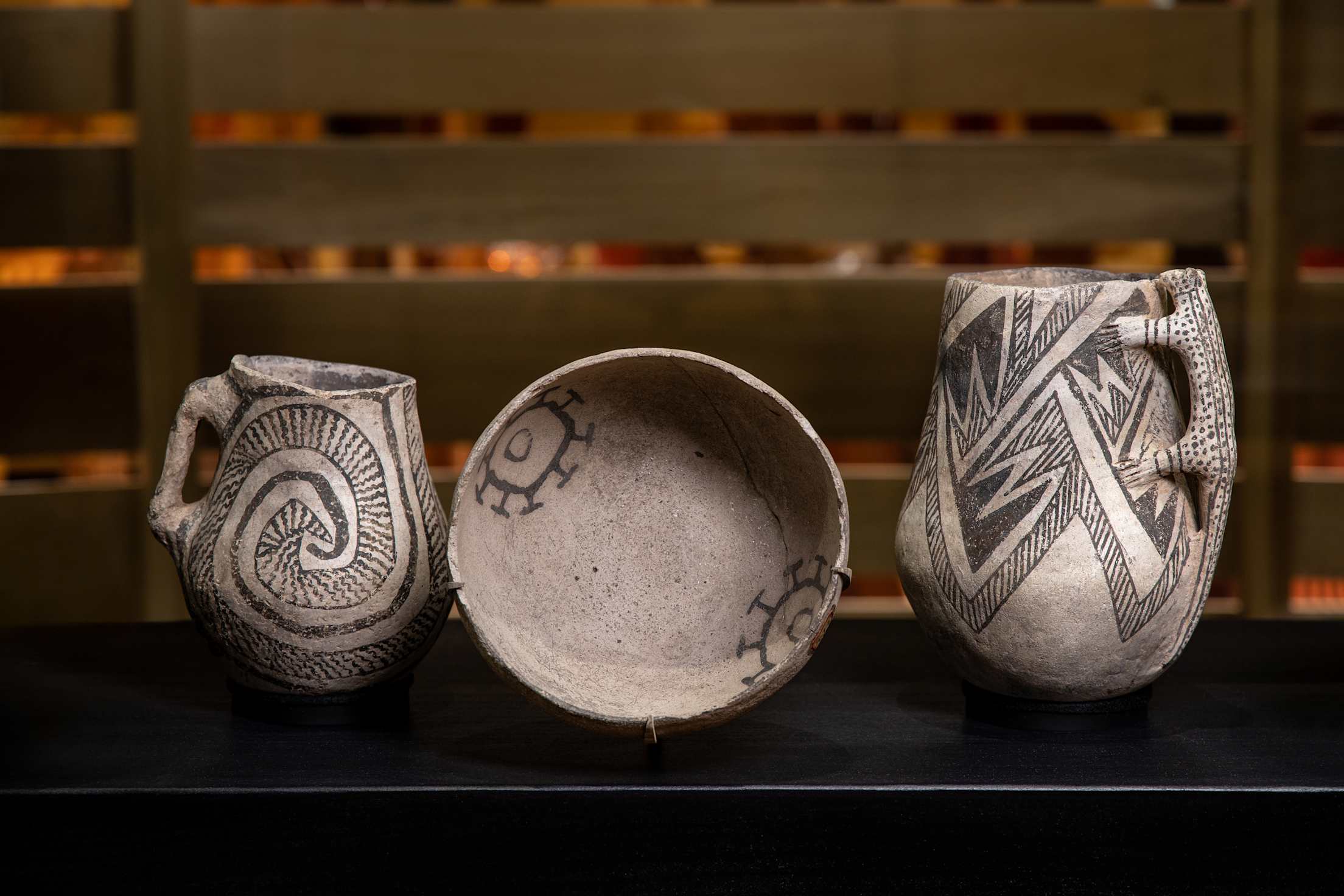
At the Heard Museum, 12 expansive galleries host over 40,000 pieces of Indigenous art. This Smithsonian affiliate tells Native American stories from a first-person perspective with displays ranging from intricate baskets to hundreds of hand-carved Hopi katsina dolls. Wander among outdoor courtyards and sculpture gardens, attend annual gatherings like the World Championship Hoop Dance Contest, and don’t miss Away From Home: American Indian Boarding School Stories. Through first-person student testimonies, personal objects (such as contrasting traditional clothing and student uniforms), and immersive re-creations like a military-style dormitory, the long-running exhibit thoroughly explores the 150-year history of U.S. government-run residential schools and their effects on Native American children.
The Montana Heritage Center in Helena, Montana
Opened in December 2025, Helena’s 165,000-square-foot Montana Heritage Center highlights the state’s past from the Ice Age to today through a series of interactive galleries. Tribal leaders and representatives from each of the state’s 12 sovereign tribal nations helped curate the center’s Homeland Gallery, which includes everything from tribal celebration videos to Chippewa Cree state Sen. Jonathan Windy Boy’s grass dancing regalia. There’s a traditional smudge room designed for cultural ceremonies and smoke blessings near the center’s Sovereign Nations East Entrance Arbor—specifically placed to honor the Plains Indian tribal tradition of facing tipi doorways toward the rising sun. On the second floor of the museum, you’ll find Big Medicine, a taxidermied, sacred white bison that remains a symbol of healing and protection for Indigenous nations.
Stewart Indian School Cultural Center & Museum in Carson City, Nevada
The Stewart Indian School Cultural Center & Museum preserves one of the country’s rare, intact federal Indian boarding school sites and its complex history. The 110-acre campus operated from 1890 to 1980 and housed thousands of Native American children from tribes across the West. Over 60 of the school’s original, multicolored stone buildings that were constructed by students and Hopi stonemasons remain intact. As you wander the campus, listen to a self-guided audio tour that shares both firsthand alumni accounts and personal stories from former employees. The on-site museum showcases rotating displays of contemporary and traditional Great Basin Native art, as well as displays ranging from student uniforms to interactive touch screens capturing vivid tales of survival, hardship, and resilience.
Devils Tower in Devils Tower National Monument, Wyoming
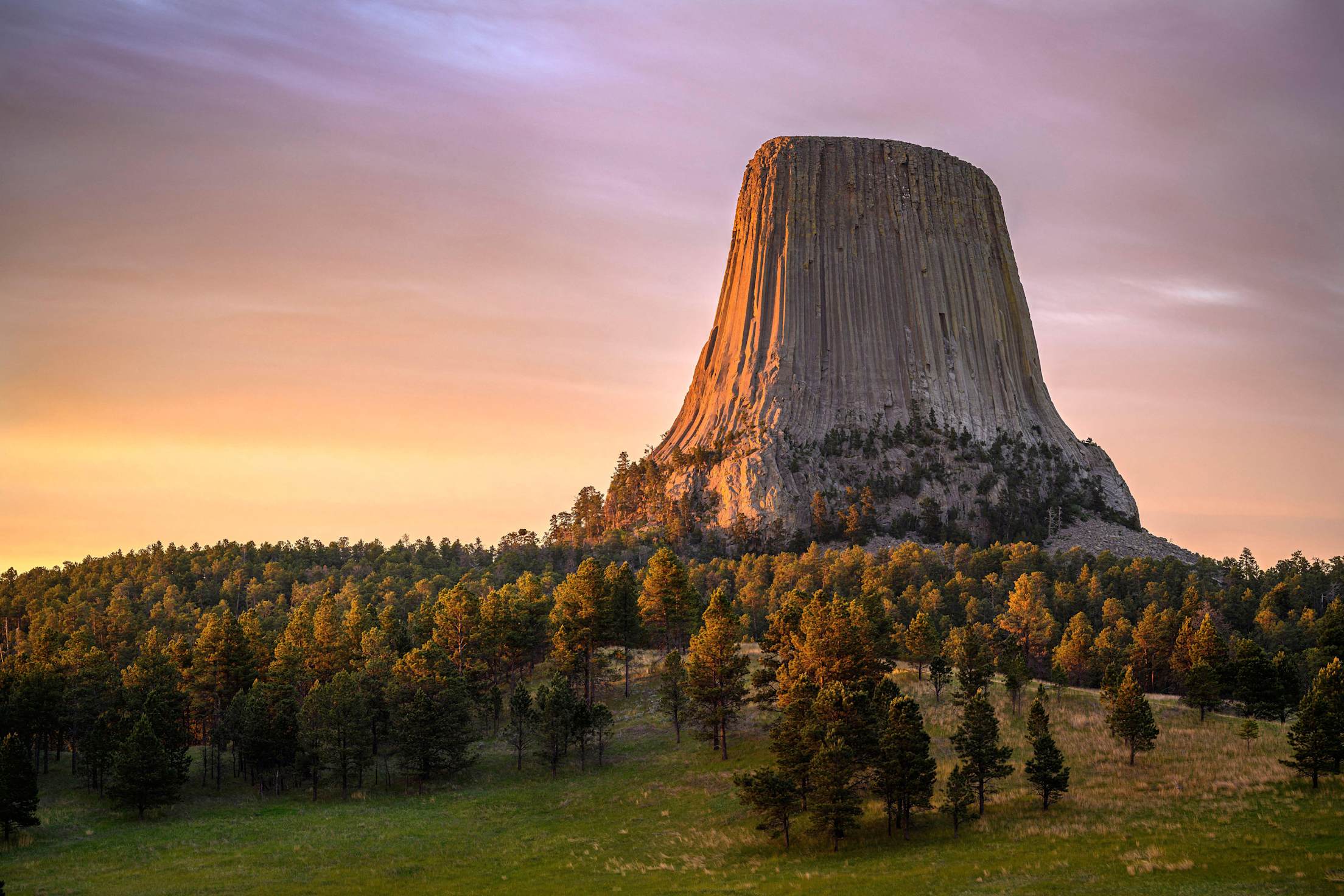
Rising 867 feet from base to summit in the wilds of northeastern Wyoming, Devils Tower is a natural marvel. This impressive igneous rock monolith became the country’s first national monument in 1906. However, over 20 Native American tribes—including the Lakota, Cheyenne, Crow, and Arapaho—have considered it a sacred and spiritual site for eons. Many of these northern Plains tribes know Devils Tower as Matȟó Thípila. The name translates to “Bear Lodge,” which comes from sacred tribal narratives about a giant bear who clawed at the sides of the monolith, creating the distinct vertical ridges and columns that remain visible today. These same tribes still use the natural landmark for ceremonies and traditional gatherings, and it’s common to see sacred prayer cloths and bundles tied to trees along the Tower Trail, an easy walking trail that circles the base of the tower. Be sure not to touch, photograph, or otherwise disturb these spiritual offerings.
Indian Grinding Rock State Historic Park in Pine Grove, California
Tucked into a valley in the Sierra Nevada foothills, Indian Grinding Rock State Historic Park preserves a giant slab of marbleized limestone that’s covered in 1,185 mortar holes—North America’s largest such collection. Generations of Miwok women used these bowl-shaped depressions to grind and pulverize acorns and seeds for meals. The Miwok call this sacred site Chaw'se, which translates to “Grinding Rock.” Keep an eye out for faded, 2,000–3,000-year-old petroglyphs, including carved ring patterns and animal tracks, on the park’s main rock. Afterward, peruse the site’s museum, where you can often catch interactive demonstrations detailing how Miwok and other Native American cultural items were made and used. Or visit the reconstructed ceremonial roundhouse that hosts traditional tribal gatherings, dances, and ceremonies.
Nine Mile Canyon in Wellington, Utah
Often called the world’s longest art gallery, Nine Mile Canyon features more than 10,000 individual rock art images along a 46-mile stretch. While some are painted directly onto the rock using natural pigments like red ochre, others are etched into the stone. The Fremont people and later the Ute tribes are responsible for the bulk of the artwork, which spans from A.D. 950 to the 19th century and highlights everything from spiritual symbols to sketches of daily life. Don’t miss one of the gallery’s most famous rock art panels: the Great Hunt, which depicts more than 30 bighorn sheep and hunters. It’s accessible via the paved road that runs through most of the canyon (keep an eye out for old stone storage granaries and pit house ruins along the way).
California Indian Museum and Cultural Center in Santa Rosa, California
The California Indian Museum and Cultural Center is home to a collection of deeply moving displays. The 24,000-square-foot facility features an exhibit on Ishi, the last known member of the Yahi people. There’s also an exhibit on handmade baby cradle baskets as well as traditional customs around birth and family. While here, browse historical works by Native American photographer Dugan Aguilar, shop for Indigenous artisan jewelry and modern twists on Native foods like acorn bites, or partake in workshops ranging from processing nettles to making beaded medicine pouches.