
How to Remove Tree Sap From Your Car
Spring is peak time for sticky stuff falling on your car. Here’s how to deal with it.


With the arrival of spring, temperatures start to rise, and flowers and trees bloom again. While all that can be a welcome change from the doldrums of winter, it can also bring an unpleasant surprise if you park your car outside under trees: Sap and other sticky substances can drip onto your vehicle, leaving stubborn spots on the paint and glass.
You might think it’s a harmless, simple clean up. But in actuality, that sticky stuff can cause lasting damage to your car’s exterior. Whether it’s tree sap per se or something else entirely, identify the problem early and take proactive measures to keep your car in good shape.
What’s the sticky stuff on your car?
The sticky substance we call sap is the lifeblood of a tree. During the spring, trees increase sap production to provide the necessary nutrients among its roots, branches, and leaves.
There are two types of sap. Xylem sap is the kind that carries those nutrients, along with water and minerals, from the roots up to the branches and leaves. Phloem sap moves the other way, transporting nutrients and sugars from the photosynthesis process in the leaves back down to the roots. Phloem sap in particular can be sticky, as it plays a key role in the tree’s defenses against injury and damage.
But not all the sticky stuff falling from a tree is sap. Often, it’s actually honeydew—the secretions from aphids that feast on the sap. It might also be bird droppings. Regardless of what’s falling from the tree, these substances can damage the clear coat that protects the paint on your car.
Why are tree droppings a problem?
Tree sap isn’t good for cars because it can be acidic. When it comes in contact with your vehicle, it can initiate a chemical reaction and begin to etch into the clear coat. Honeydew and bird droppings can provoke a similar reaction.
“If it stays on there too long, eventually, it’s going to eat into the clear coat and damage your paint,” says David Bennett, manager of repair systems at AAA. “That’s going to cause long-term damage, because when you damage the clear coat, you cannot just fix that part: You have to basically clear coat that whole panel.”
How do you clean sap and other sticky things off your car?
If you have tree sap, honeydew, or bird droppings on your car, it’s important to clean it off as soon as possible.
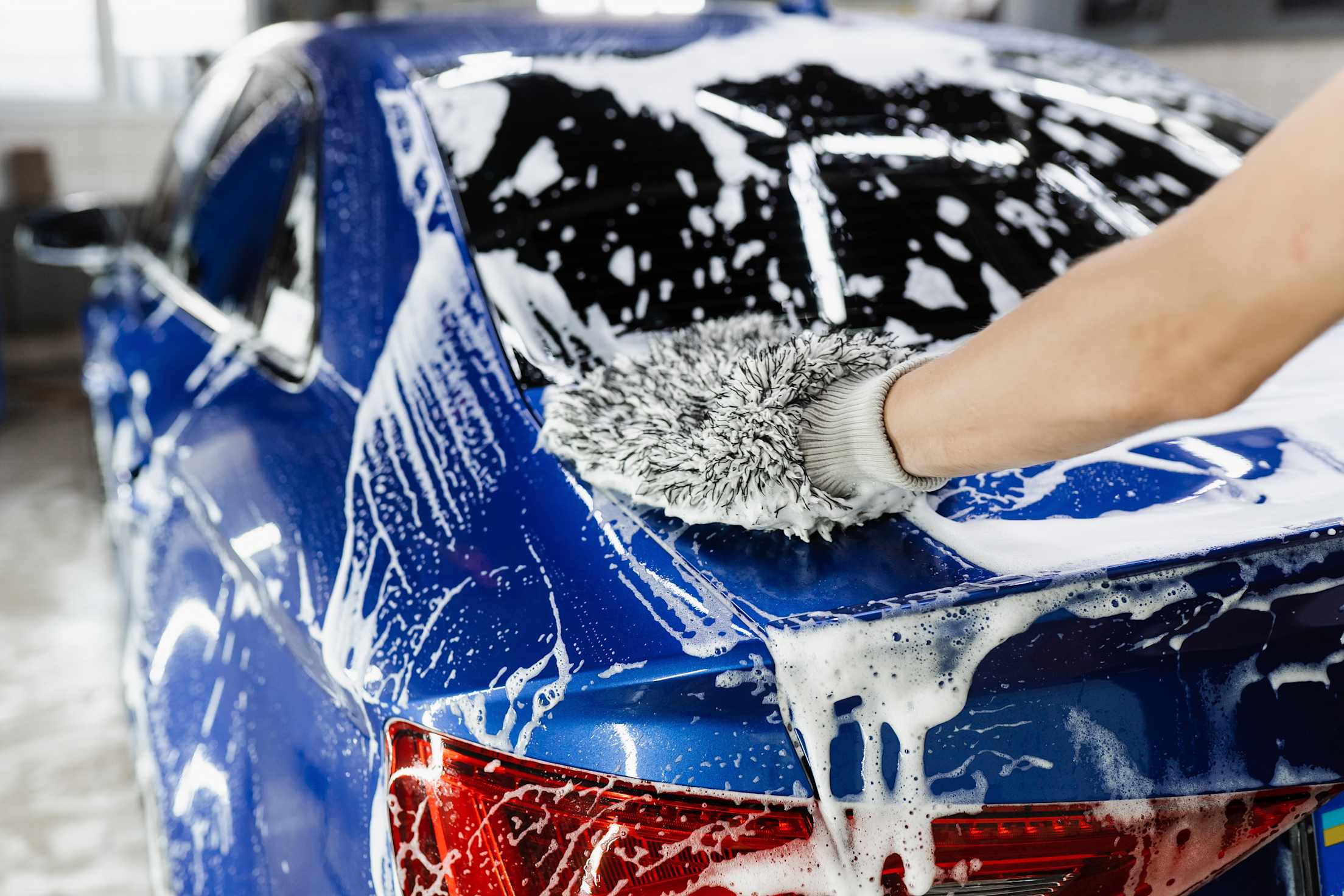
Bennett suggests getting a warm bucket of water, a soft cloth, and some soap. Be sure to gently rub, not scrub.
“You want to use a nonabrasive rag or washcloth, nothing with steel wool or anything else like that, because you don’t want to damage the paint,” he says. “Put some warm water, a washcloth, some soap, a little bit of elbow grease right there, and more than likely, it’s going to come off.” Car soap and a wash mitt can make the job easier.
If you need something stronger, specialty products like Bug & Tar Remover and Tar & Sap Remover are available. Diluted rubbing alcohol or alcohol-based hand sanitizer are also options. The key is to use a small amount directly on the sap and let it soak in for several minutes. Then, use a soft cloth to wipe it off and proceed to dry the area. As a final step, apply a protective coat of wax.
If you don’t act right away, you might need to get professional help to remove tree sap from your car.
“If it’s hardened and it’s turned into a rock, then that’s a completely different scenario,” says Sam Dierhka, manager at Husteads Auto Body in Berkeley, California. “Then, you need to bring the car to a detailer.”
While you may be able to clean tree sap off your car by yourself in the early stages, be aware of one major no-no. “Don’t ever use a fingernail on it,” Dierhka warns. “A lot of people like to go in there with their bare nails and just start scratching away.”
“You are literally scratching into your clear coat,” he says.
How can you prevent tree sap from getting on your car?
There are a few things you can do to preemptively prevent sap problems.
- Wax your car. “The best way to prevent it is to keep your car waxed,” says Bennett. “At least a minimum of twice a year, you should wax your car. Ideally, in the beginning of spring and right before winter, have it detailed and have a good coat of wax put on the vehicle. That will help protect the paint.”
- Find a new parking spot. When you’re in the springtime sap surge, be mindful of where you park. Avoid parking under trees if you can.
- Get a car cover. If your car is going to be parked outside for a while, Bennett suggests investing in a car cover.
While you may not always be able to keep tree sap or other substances off your car, doing what you can to prevent them can help minimize the hassle. And then knowing exactly what to do if the problem does arise can minimize the damage and keep your car looking good.
Make smart choices, whether you’re buying, selling, insuring, maintaining, or repairing a vehicle.