
8 National Parks You Can Explore in One Day
These parks in the West deliver dramatic vistas, easy hikes, and scenic drives without a big time commitment.


Think you need an entire week to experience a national park? Think again. Some national parks are compact, easy to navigate, or built around scenic drives and short trails, making them perfect for a single day of exploration. With an early start, you can hike to wildly scenic overlooks, join a ranger program, and still be back in time for dinner—unless, of course, you’re planning to stay out for the stars.
From Utah’s fiery hoodoos and Arizona’s cactus forests to California’s volcanic landscapes and remote island shores, these eight national parks deliver unforgettable experiences that don’t require a multi-day commitment. Here’s how to make the most of a single day in each one.
Bryce Canyon National Park, Utah
Bryce Canyon National Park may be small—just over 35,000 acres—but it is spectacular. Start early at Sunrise Point, where otherworldly hoodoos glow in fiery shades of red, pink, and orange. You’ll be glad you didn’t hit snooze. From here, hike clockwise on the Queen’s Garden and Navajo Loop combination trail for ’gram-worthy views across Bryce Amphitheater. There are more hoodoos here than in any other place on Earth. Catch a fascinating ranger-led geology talk near Sunset Point to learn how frost wedging and oxidation sculpted the dramatic landscape. Cruise the 15-mile Southern Scenic Drive, pausing for overlooks, then stretch your legs on the easy Bristlecone Loop Trail to ogle 1,000-year-old bristlecone pines. Night sky telescope programs on Friday and Saturday, June through July, let you revel in the power of the universe.
Lassen Volcanic National Park, California
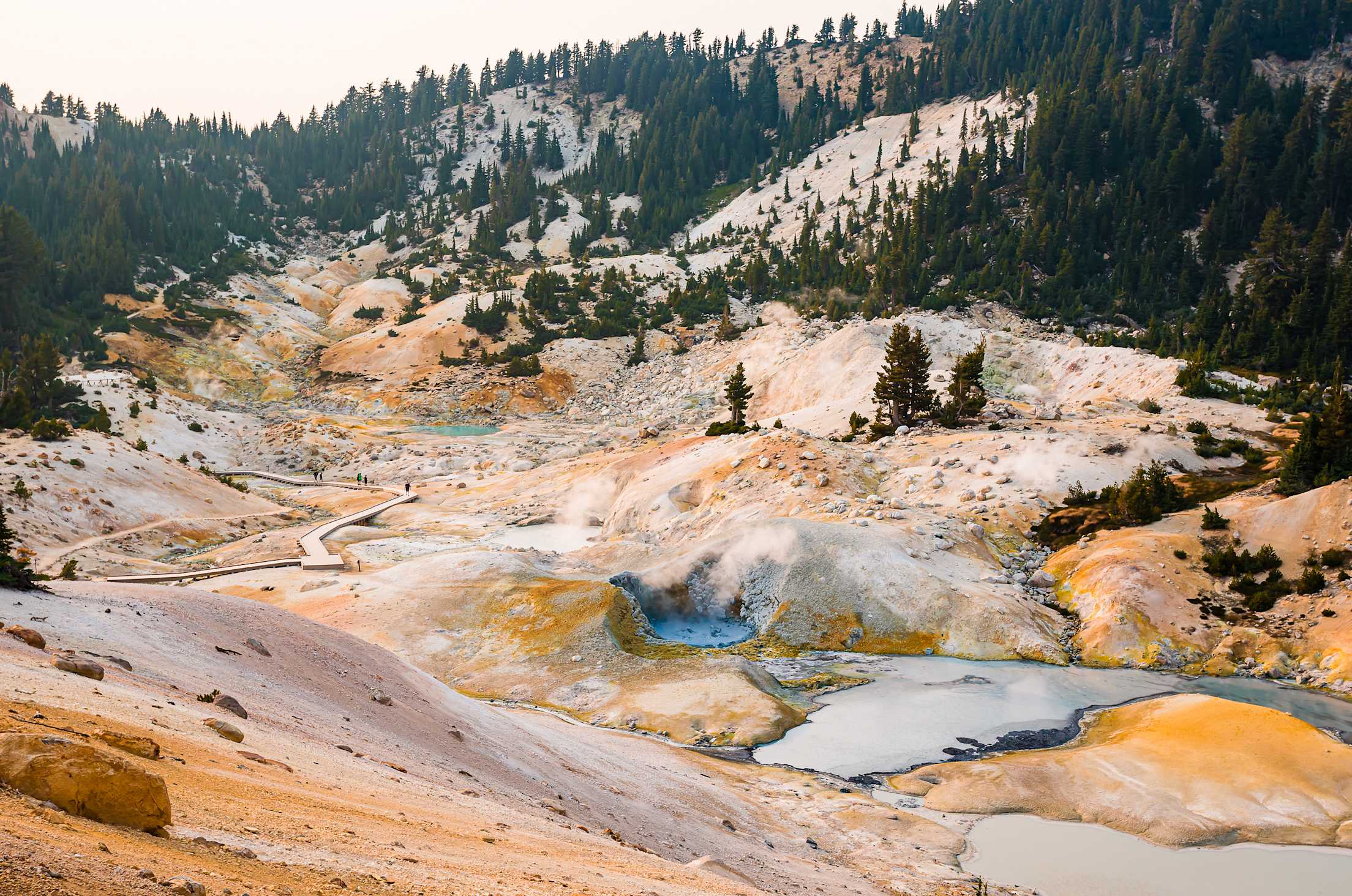
Start your exploration of Lassen Volcanic National Park at the Kohm Yah-mah-nee Visitor Center for interactive geology exhibits. From here, motor along the 30-mile Lassen Volcanic National Park Highway, stopping at Sulphur Works for bubbling mud pots and steam vents. The popular (and memorably named) Bumpass Hell Trail leads to the park’s largest hydrothermal basin, alive with steaming fumaroles and colorful hot springs. Some say the park is like a mini-Yellowstone. Break for lunch at Lake Helen, then hit up the Devastated Area to learn about the 1915 Lassen Peak eruption. Finish the day with a stroll around Manzanita Lake or rent a kayak to take out on its shimmering blue waters. Summer ranger programs dive into the park’s volcanic legacy.
Saguaro National Park, Arizona
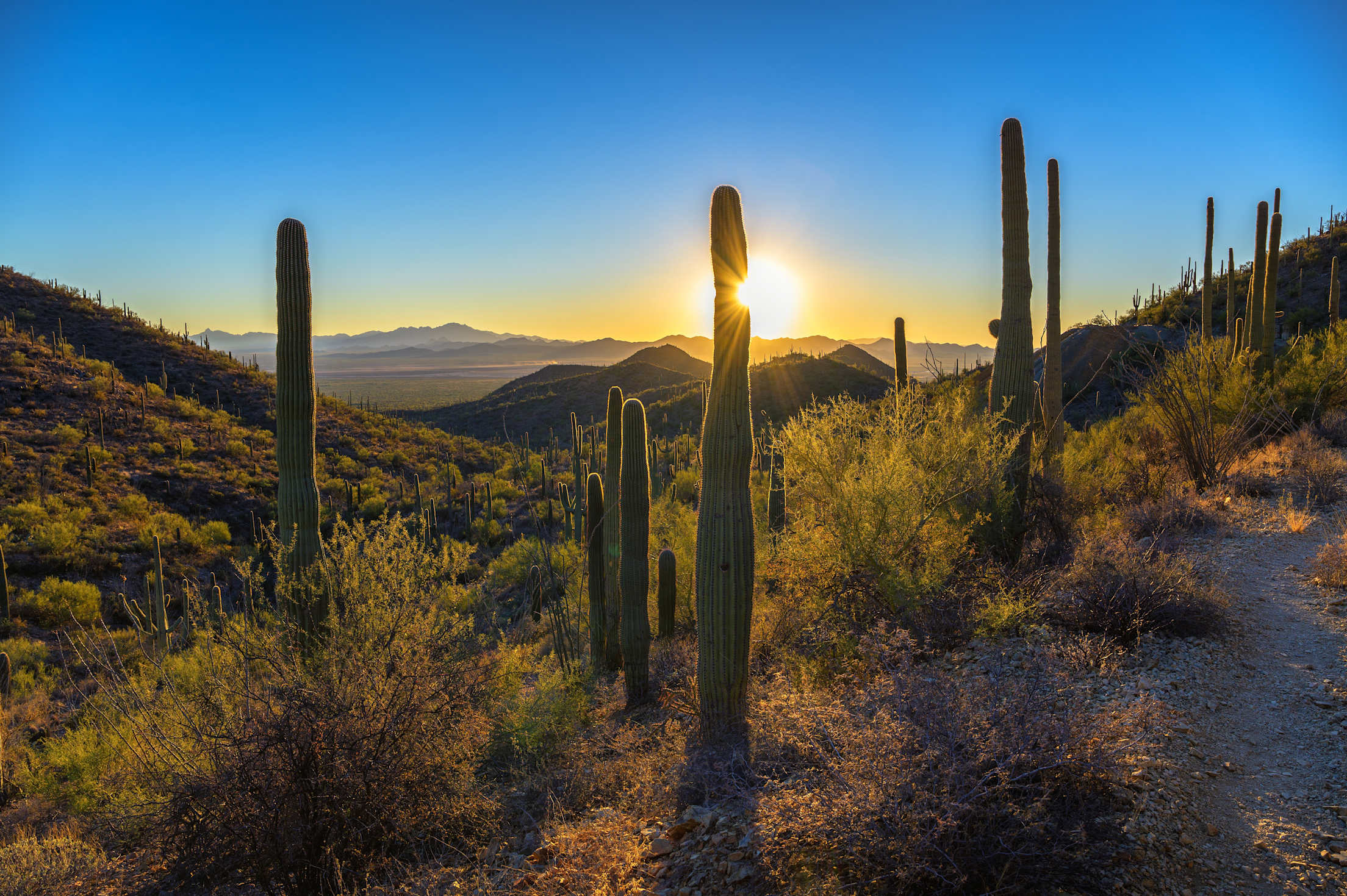
A day at Saguaro National Park can focus on one park district or sample both sides of Tucson’s iconic cactus-dotted desert. In the Tucson Mountain District (west), start with the easy Desert Discovery Trail, then follow the 6-mile Bajada Loop Drive for plentiful cacti. Hike the Valley View Overlook Nature Trail that winds through towering saguaros, then explore Signal Hill for more than 200 petroglyphs carved centuries ago by the Hohokam people. In the Rincon Mountain District (east), cruise the 8-mile Cactus Forest Scenic Loop Drive and stroll the Desert Ecology Trail for informational placards on desert flora and fauna. Ranger programs uncover the secrets of saguaro cacti and the desert after dark. Stay for sunset, when giant cacti cast stunning silhouettes.
Arches National Park, Utah
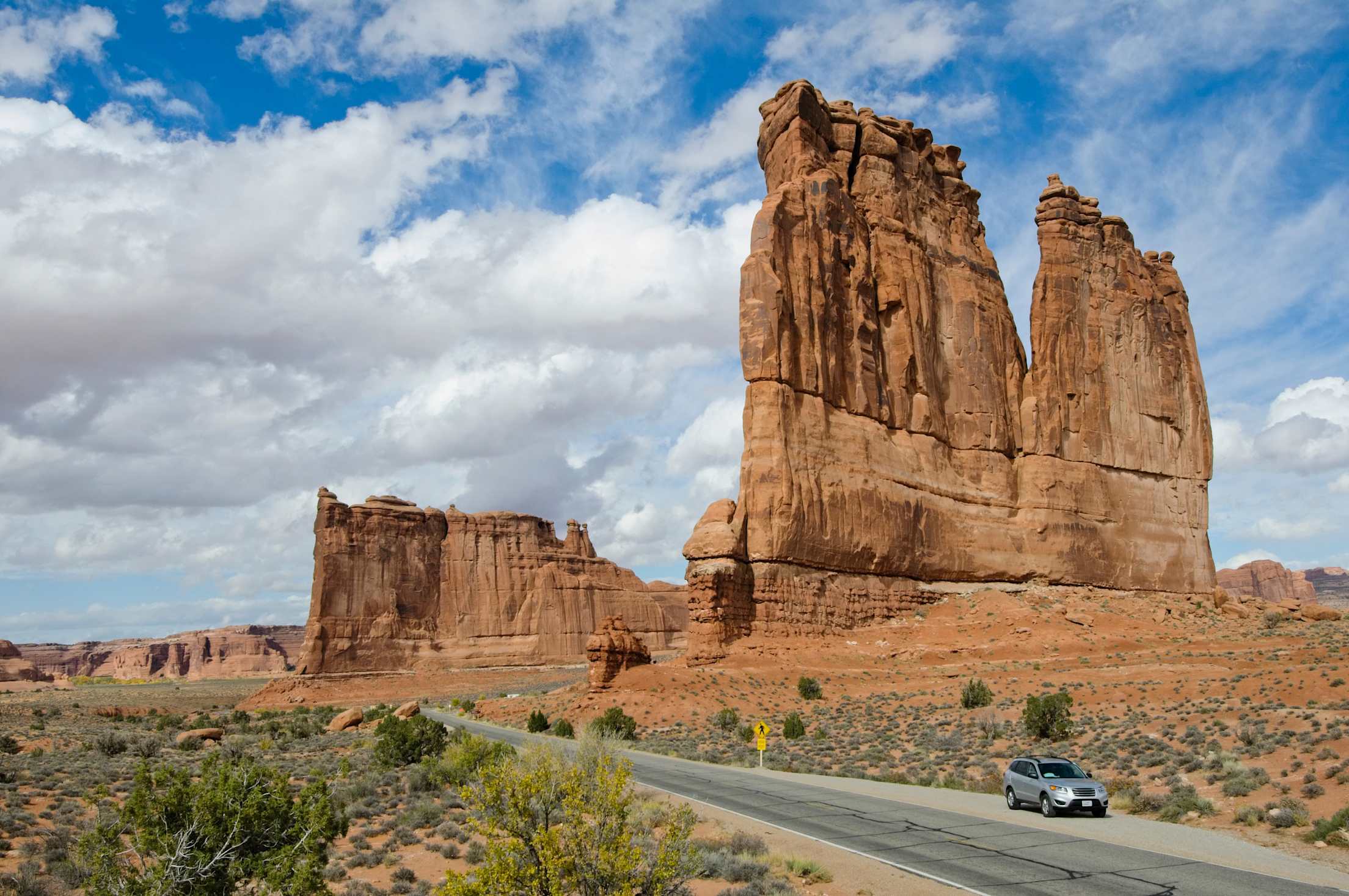
Home to more than 2,000 natural stone arches, start your day at Arches National Park with a hike to the most famous of them all, Delicate Arch. You’ll want to head out early so you can stand beneath the iconic arch before the heat—and the crowds—set in for the day. Take it slow along Arches Scenic Drive, reveling in short walks and expansive views at Park Avenue, Double Arch, and Landscape Arch, the longest natural rock arch in the park, spanning over 300 feet. Pop into the visitor center for a ranger-led patio chat on desert geology, plants, or park wildlife. Evenings, ranger programs fascinate in the Devils Garden Campground Amphitheater. After dark, turn your eyes to the skies at this International Dark Sky Park. Balanced Rock Picnic Area and Panorama Point are top spots for stars.
Channel Islands National Park, California
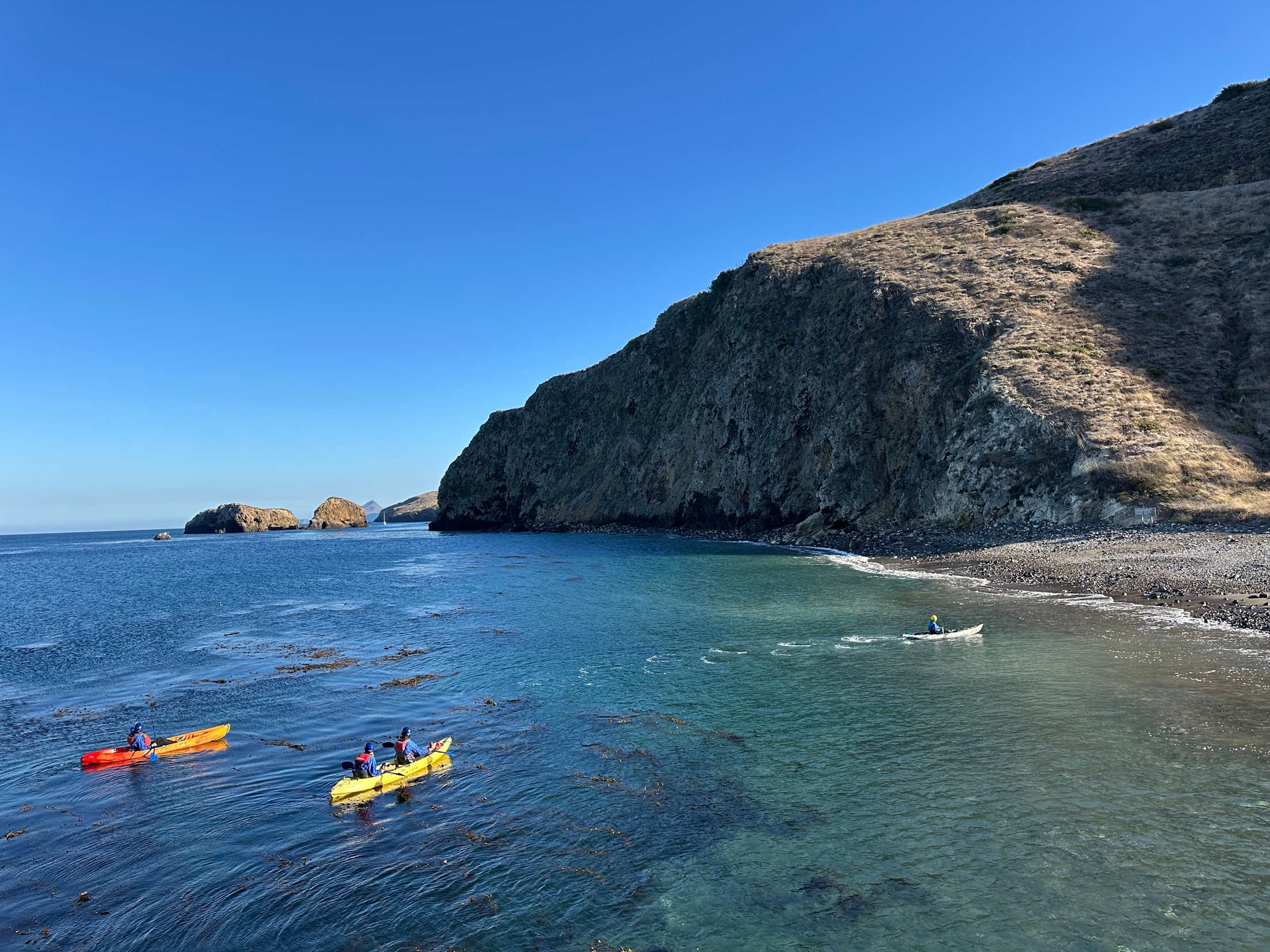
Known as “the Galapagos of North America,” Channel Islands National Park protects five wild islands off the California coast. For a one-day visit, book a ferry to Santa Cruz Island, the largest and most accessible of the group. Island Packers runs one-hour crossings to Scorpion Anchorage from Ventura Harbor. Take the first boat (usually 8 a.m. or 9 a.m.) to maximize your time. Once ashore, stop in Scorpion Ranch House, which serves as a visitor center. Hike to Cavern Point for coastal cliffs, azure blue waters, and seasonal whale sightings. Keep watch for the island fox, one of 145 endemic species on the islands. Back at the shoreline, snorkel through kelp forests, relax on the beach, or join a guided kayak tour with Channel Islands Adventure Company to explore sea caves carved into volcanic cliffs.
Great Basin National Park, Nevada
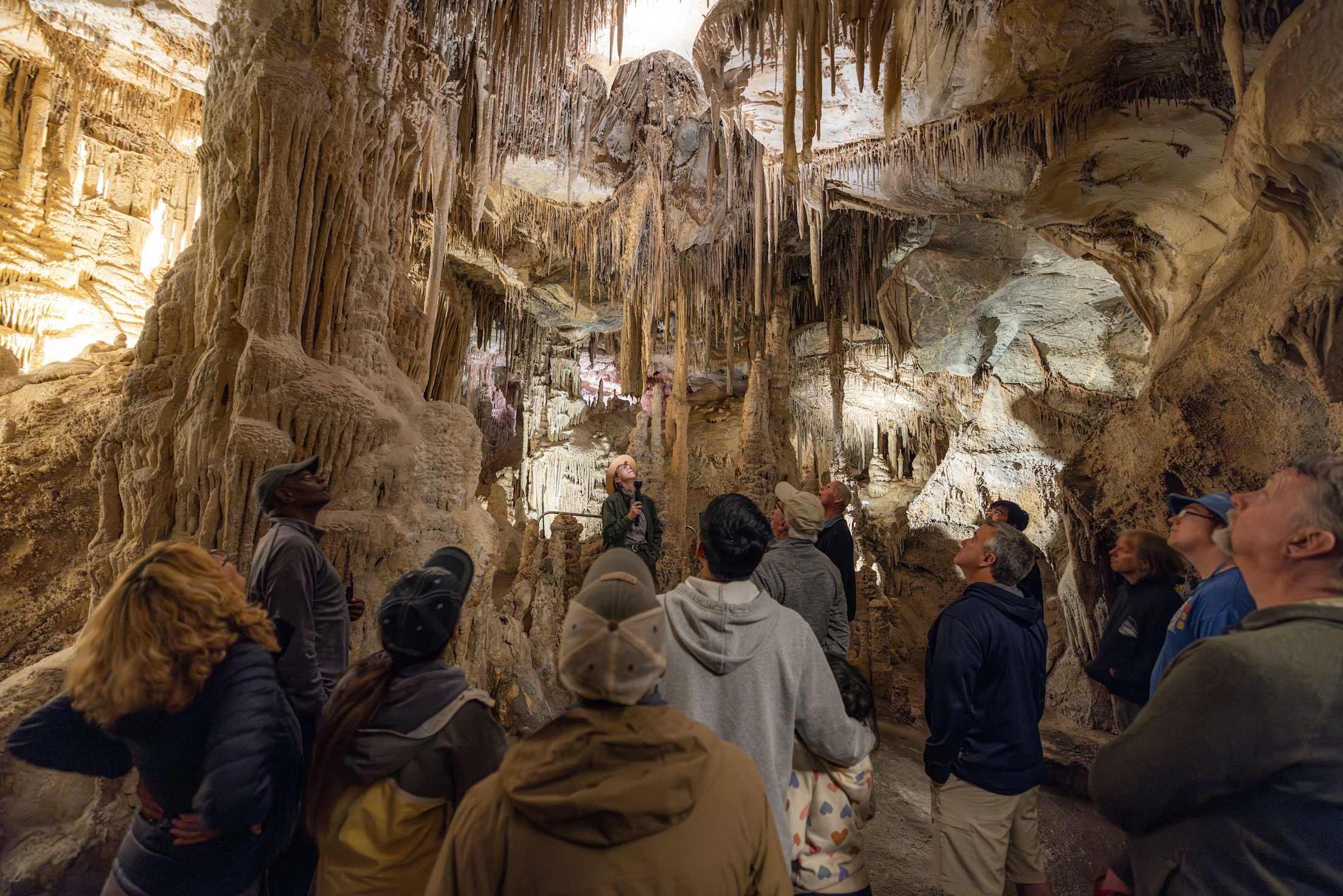
Great Basin National Park can be tackled in one day, but plan ahead. The highlight is Lehman Caves, Nevada’s longest cave system. Ranger-led tours reveal intricate stalactites, stalagmites, and rare cave shields. Reserve tickets in advance for cave tours—set to resume in May 2026 after a six-month maintenance project—to explore dramatic chambers like the Lodge Room and Grand Palace, home to the famous Parachute Shield formation. Above ground, the 12-mile Wheeler Peak Scenic Drive ascends to Mather Overlook and Wheeler Peak Overlook for peak panoramas. For high-altitude lakes, hike the Alpine Lakes Loop to Stella Lake and Teresa Lake. The Bristlecone Trail is another top trek, winding its way to ancient, gnarled bristlecone pine trees, some more than 5,000 years old. From late May to October, ranger-led astronomy programs showcase the park’s famously dark skies.
Petrified Forest National Park, Arizona
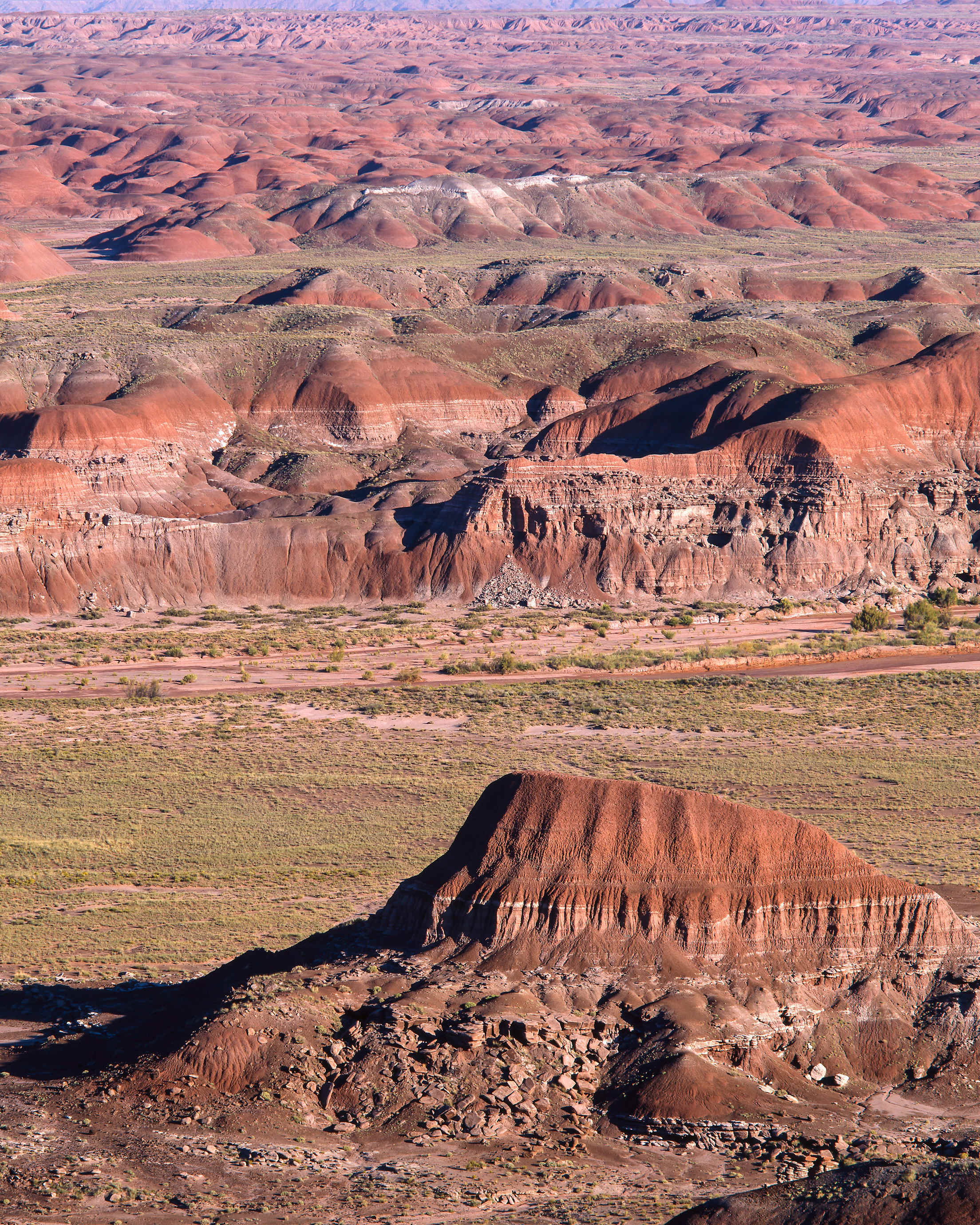
You need only a few hours to appreciate the colorful badlands and fossilized forests of Petrified Forest National Park—and there’s little reason to skip it, since historic Route 66 literally passes right through the park. Follow the 28-mile Park Road for overlooks, like Tiponi Point and Kachina Point. Enjoy an easy hike on the Painted Desert Rim Trail, drinking up all the views of striped hills and wide-open desert. Wander the ruins of an ancestral Puebloan village with more than 100 dwellings, then keep an eye out for petroglyphs etched into nearby rocks. For petrified wood, stop at Agate Bridge, Crystal Forest, and Giant Logs. The Giant Logs Trail, behind the Rainbow Forest Museum, passes some of the park’s largest and most colorful fossilized logs.

Pinnacles National Park, California
One of the newest parks, Pinnacles National Park, protects jagged volcanic spires, talus caves, and rugged canyons. Start on the east side at the Bear Gulch Nature Center with a short hike on the Condor Gulch Trail for views of craggy rock formations, and if you’re lucky, California condors. Break for lunch at Bear Gulch picnic area, then set off on the Moses Spring-Rim Trail loop for talus caves, rocky spires, and serene Bear Gulch Reservoir. Bring a flashlight to explore inside Bear Gulch Cave (it’s in two sections, the Lower Cave and the Upper Cave, which is closed mid-May to mid-July for bat pup season). On the west side of the park, drive to the end of Highway 146 to reach the Chaparral parking area, then head for the Balconies Cliffs-Cave Trail loop to scramble the narrow passages of Balconies Cave and relish wide-open views of Machete Ridge.
Discover Members-only discounts on car rentals, hotels, and more.