
Australia’s Wild Side: 4 Must-See Escapes
Discover the magic of Oz through star-filled skies, kaleidoscopic sea life, and fascinating Aboriginal culture.


In Australia, cars yield to kangaroos. The large mammals—depicted on yellow, diamond-shaped road signs throughout the country—far outnumber the human inhabitants.
Australia’s natural world is one of a kind. Vast in size, it contains ecosystems that feel like different planets, each with a fascinating evolutionary history. When Australia broke from the supercontinent Gondwana around 80 million years ago, ancient marsupials settled on the new landmass, evolving into kangaroos, koalas, wallabies, and more. Above them shines an alternative night sky where you’ll find a brighter Milky Way, multicolored stars called Jewel Box, and Southern Cross, the primary navigational constellation (their North Star).
Four destinations offer an opportunity to experience everything that makes Oz so unique: the Great Barrier Reef, the world’s largest living structure; Tasmania, with its prehistoric wilderness and rainforests; the Red Centre, known for its fiery sands and some of the clearest, darkest skies; and South Australia, to swim with sea lions and hike to fossils.
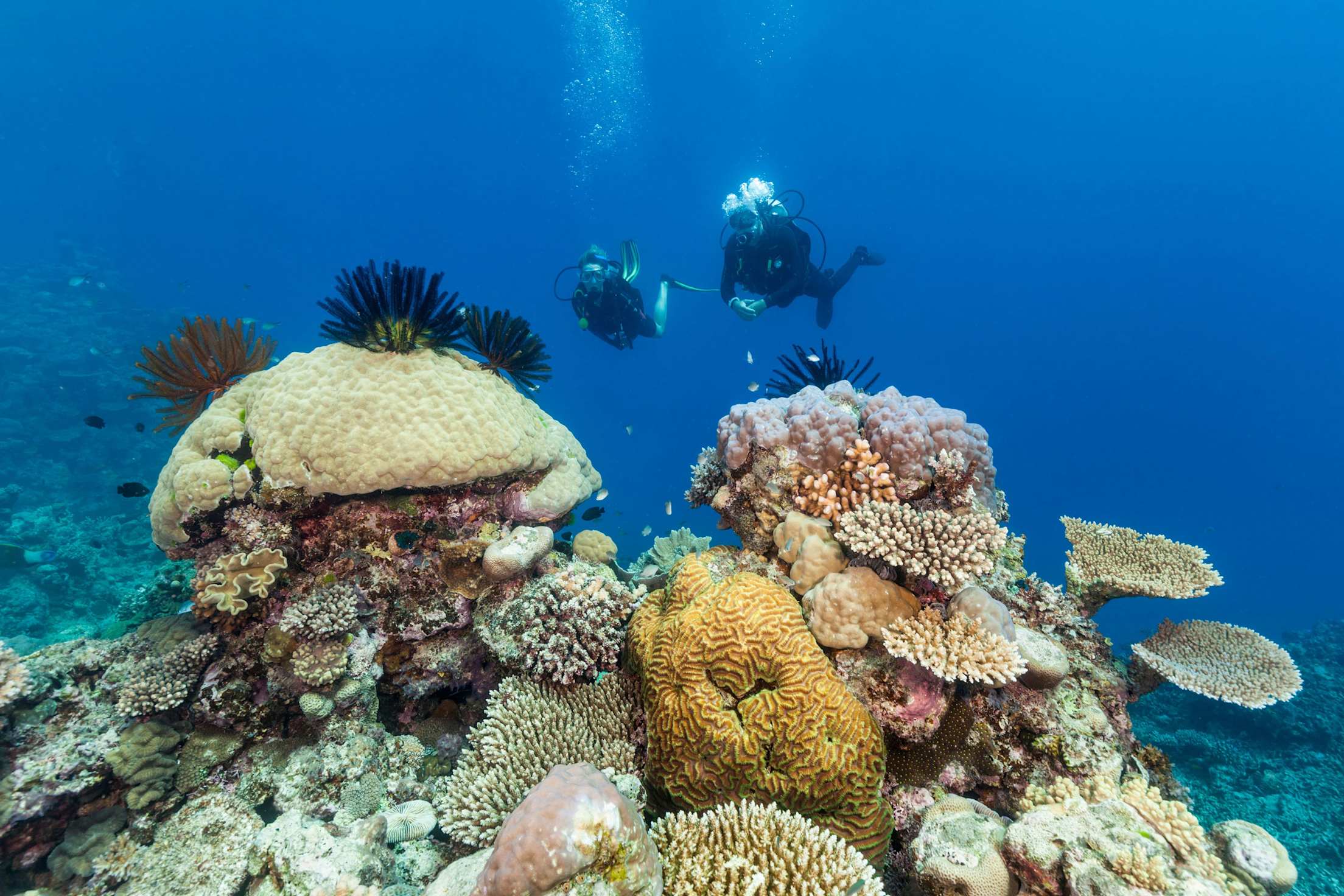
The Great Barrier Reef
Into the Wild
Spanning 1,429 miles, the Great Barrier Reef is composed of architectural animals called coral that form cays and colonies harboring around 9,000 species. For snorkelers and scuba divers, this biodiverse wonderland inspires amazement and serenity. Science enthusiasts will feel like they’ve been teleported into a nature documentary on day trips led by experts in reef ecology and biology. Boaters and beach lovers are spoiled for choice with dozens of sailing voyages to islands encircled by sugary sand. Culture vultures can join Indigenous guides to dive into Aboriginal Australians’ vast knowledge of tropical foods and medicines, and their deep connection to the natural world.
Like many coral seascapes, the health of the Great Barrier Reef is threatened by bleaching events, mainly due to climate change. Both UNESCO and the Great Barrier Reef Foundation say sustainable tourism can actually benefit this ecosystem. Experts recommend choosing tour operators who engage in conservation work while minimizing their environmental impacts.
Nature’s Front Row
For rainforest-meets-reef adventures, focus on the area from Cairns to Cape Tribulation in tropical north Queensland. From Cairns, beeline on a pontoon boat to the outer Great Barrier Reef for a day trip that could include glass-bottom boat–gazing, snorkeling, scuba diving (for newbies to certified divers), and occasional hands-on reef recovery experiences led by marine biologists. After driving north from Cairns, spot saltwater crocodiles on a Daintree River cruise and ascend aerial walkways through the lush canopy at the Daintree Discovery Centre. At Cape Tribulation, saddle up with Cape Trib Horse Rides to mosey among mango trees and splash along the beach atop your steed. Book a tour to snorkel with sea turtles around sandy cays or take a marine biologist–guided snorkeling and citizen science tour of the reef and mangrove system.
If sailing, beach-lounging, and humpback whale watching (roughly June to September) are your style, retreat to the Whitsunday Islands between Cairns and Brisbane. Base yourself in Airlie Beach or Hamilton Island, the jumping-off points for an array of adventures, from seaside mountain biking to yachting. A number of ecotourism operators host activities in both the sky and the sea: Soar in a plane over white sand that swirls through sapphire waters like patterns in van Gogh’s skies. Snorkel with clown fish in otherworldly coral gardens, reel in black marlin and coral trout, or collect data while swimming with marine biologists. You can even charter sailing and whale-watching excursions among the constellation of 74 islands. Check Australia’s Green Travel Guide to choose from one-day to one-week sailings.
Can’t-Miss Culture
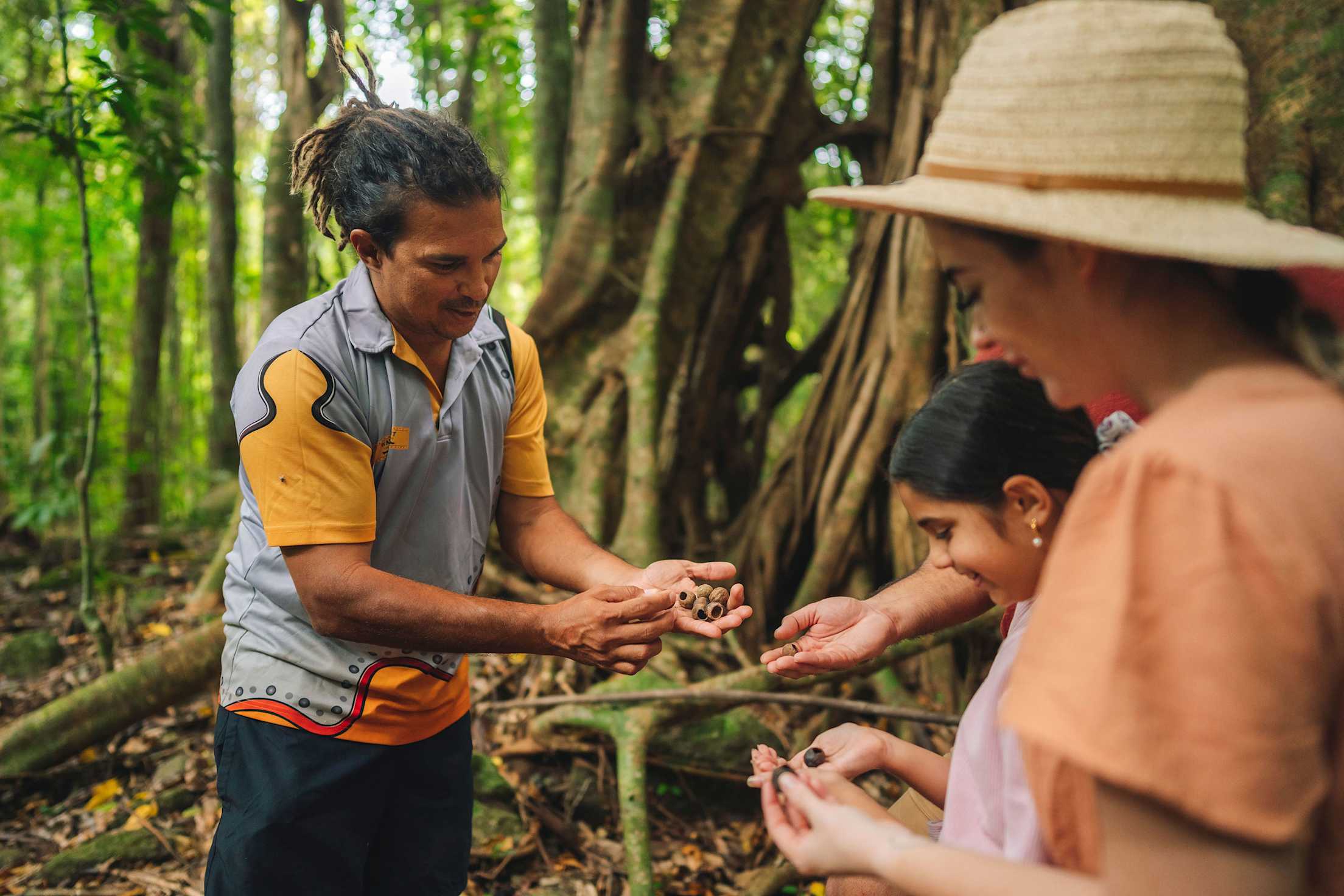
Known as the Traditional Owners of the Great Barrier Reef area, Indigenous Australians still play a leading role in its preservation. At Mossman Gorge Cultural Centre in the Daintree Rainforest, take a Dreamtime Walk led by an Indigenous guide to learn about bush food, ochre body painting, and the local Kuku Yalanji culture. In the Whitsundays, delve into First Nations seafaring and foraging lifeways on a Ngaro Indigenous Cultural Tour with Whitsunday Paradise Explorer, or on a Cultural Island Discovery trip with Ngaro guide Robbie Congoo.
Getting There
If your destination is the Cape Tribulation area, fly into Cairns from Sydney or other major Aussie airports on Qantas, Virgin Australia, or Jetstar, or via Fiji on Fiji Airways and rent a car. For the Whitsunday Islands, Jetstar flies nonstop from Sydney to the Proserpine (Whitsunday Coast) Airport near Airlie Beach, while Qantas and Virgin Australia offer nonstops from Brisbane to the Proserpine Airport. Qantas and Virgin Australia fly nonstop from Sydney to Hamilton Island. It’s not necessary to rent a car, since the Whitsunday Islands are car-free, and you can get around Airlie Beach and Hamilton Island on foot, by golf cart, ferry, and more. —Keridwen Cornelius
Tasmania
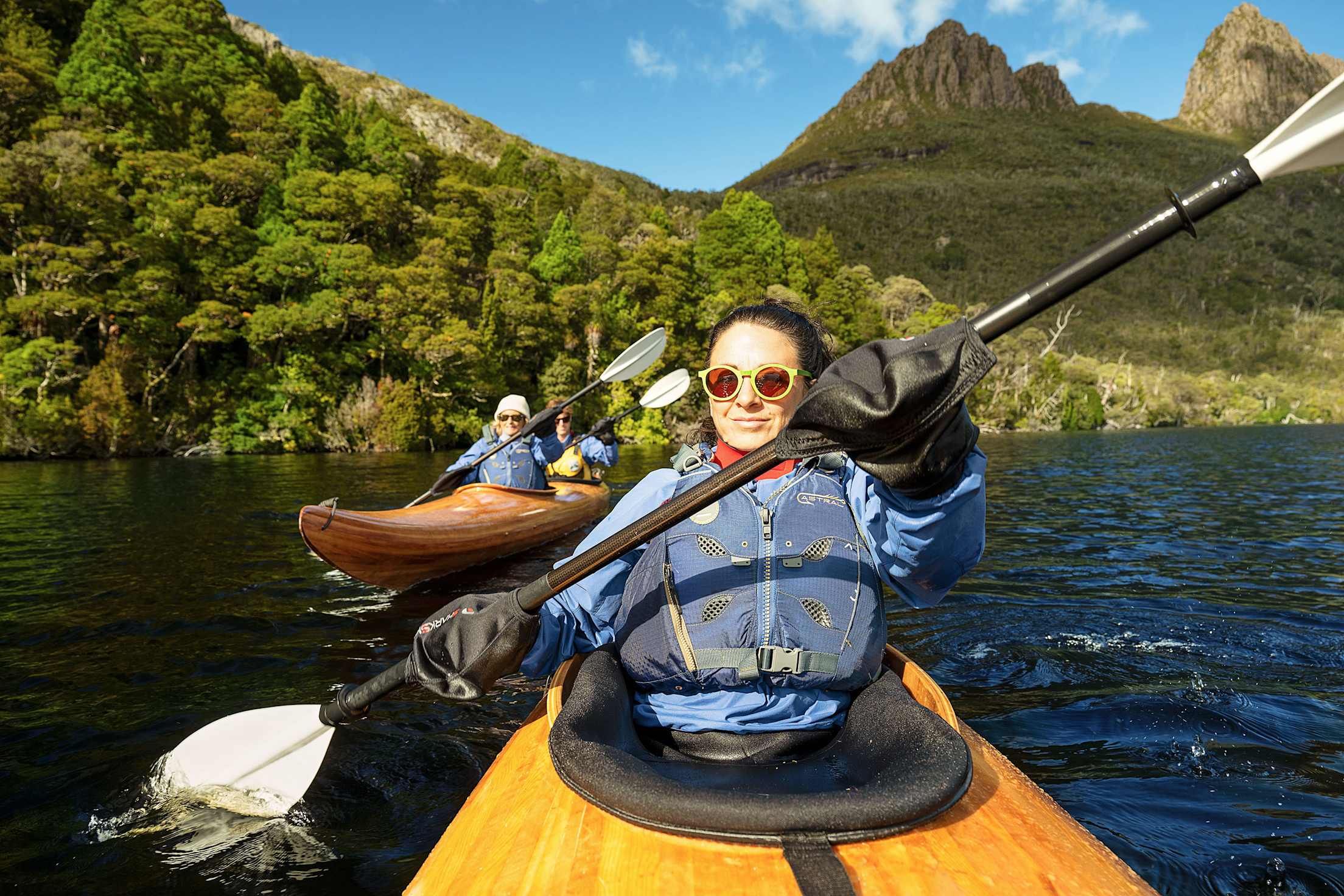
As you glide across a glacier-carved lake, the slate-gray spires of Cradle Mountain are reflected in the aquamarine waters. Your kayak was handcrafted from trees that formed when this island was part of Gondwana. Like much of Tasmania, this primeval playground still feels untouched by time and the outside world.
Into the Wild
Outdoor enthusiasts and foodies are increasingly escaping to Tasmania for pristine wilderness, adorable antipodean animals, authentic slow-food pleasures, and enlightening Indigenous experiences. Around half of this West Virginia–sized Australian state is protected from development through a network of preserves, UNESCO World Heritage areas, and 19 national parks, where travelers can wander untrammeled trails in the company of wallabies and wombats. Another quarter is largely blanketed by boutique farms and wineries cultivating sublime products, thanks to the island’s cool climate, clean air, diverse patchwork of fertile soils, and culture of connection to the land. It’s no wonder that Tasmania tour guide Junaidi Susantio says, “We have a saying here: Food tastes better in Tassie.”
Nature’s Front Row
Rinse away jet lag and stress on the Kuuma Nature Sauna boat, which departs from just outside Tasmania’s capital, Hobart. While you cruise in a pontoon across a mountain-fringed bay, you’ll steam in a glass-walled, Finnish-style hot box, then plunge into the bracing sea. Next, driving northeast from Hobart, foray into the Freycinet Peninsula. At Freycinet Marine Farm, strap on waders, splash into an estuary, get schooled on sustainable agriculture, then shuck and slurp oysters on the scenic shoreline. On Freycinet National Park’s 1.6-mile Wineglass Bay Lookout trail, climb through a eucalyptus forest to panoramas of the turquoise Tasman Sea washing against a crescent of ivory sand.
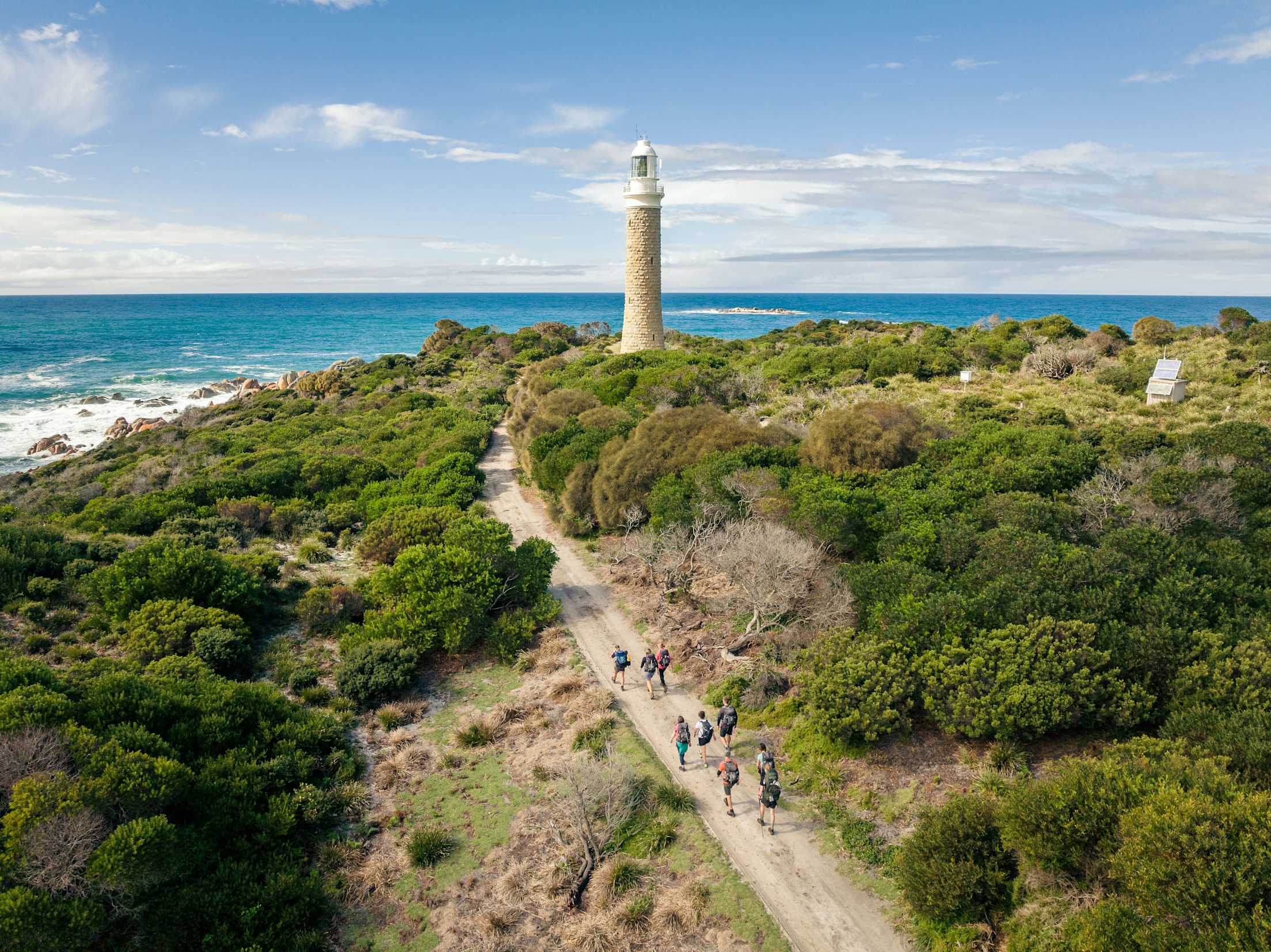
Continue up the coast to the Bay of Fires to clamber over boulders splattered with flaming orange lichen and dip your toes in teal tide pools. Crossing inland, experience the health benefits of sweat-and-cold-plunge therapy at Floating Sauna Lake Derby, the venture that started this wellness trend in Tassie. On the north coast, watch fairy penguins waddle across the beach on a flashlight night walk with Low Head Penguin Tours. In Cradle Mountain–Lake St. Clair National Park, tread the boardwalks at Ronny Creek to glimpse wombats grazing in the grass. Then, traipse through rainforest while circumambulating glacial Dove Lake, or paddle a kayak carved from native King Billy pine.
Can’t-Miss Culture
To gain insight into the perspectives of Tasmania’s Indigenous Palawa people, walk through Hobart with Blak Led Tours. Your Palawa guide will retrace the route the Aboriginal resistance took to negotiate the end of the Black War with European colonizers in 1832. The company also leads hikers up Kunanyi (Mount Wellington) to drink in views of Hobart and learn about the Palawa people’s connection with nature.
At Hobart’s buzzing Salamanca Market or intimate Farm Gate Market, sample delicacies made from endemic ingredients, including floral leatherwood honey and pulled possum with pepperberry relish. At Restaurant Maria, savor Tas-Med fare like wallaby with macadamia hummus while gazing across Hobart’s harbor.
In the north, tuck into paddock-to-picnic heritage charcuterie on Fork It Farm and hunt for black gold with keen-nosed dogs at the Truffle Farm. Visit Bellebonne and House of Arras wineries to taste why gastronomic guide Susantio says, “Even the French Champagne houses regard Tasmania’s cool-climate sparkling wine to be some of the best in the world.”
Getting There
Qantas, Virgin Australia, and Jetstar offer frequent one- to two-hour flights from Sydney, Melbourne, and Brisbane to Tasmania’s main airports in Hobart and Launceston. Rent a car to get around the island. —Keridwen Cornelius
Red Centre
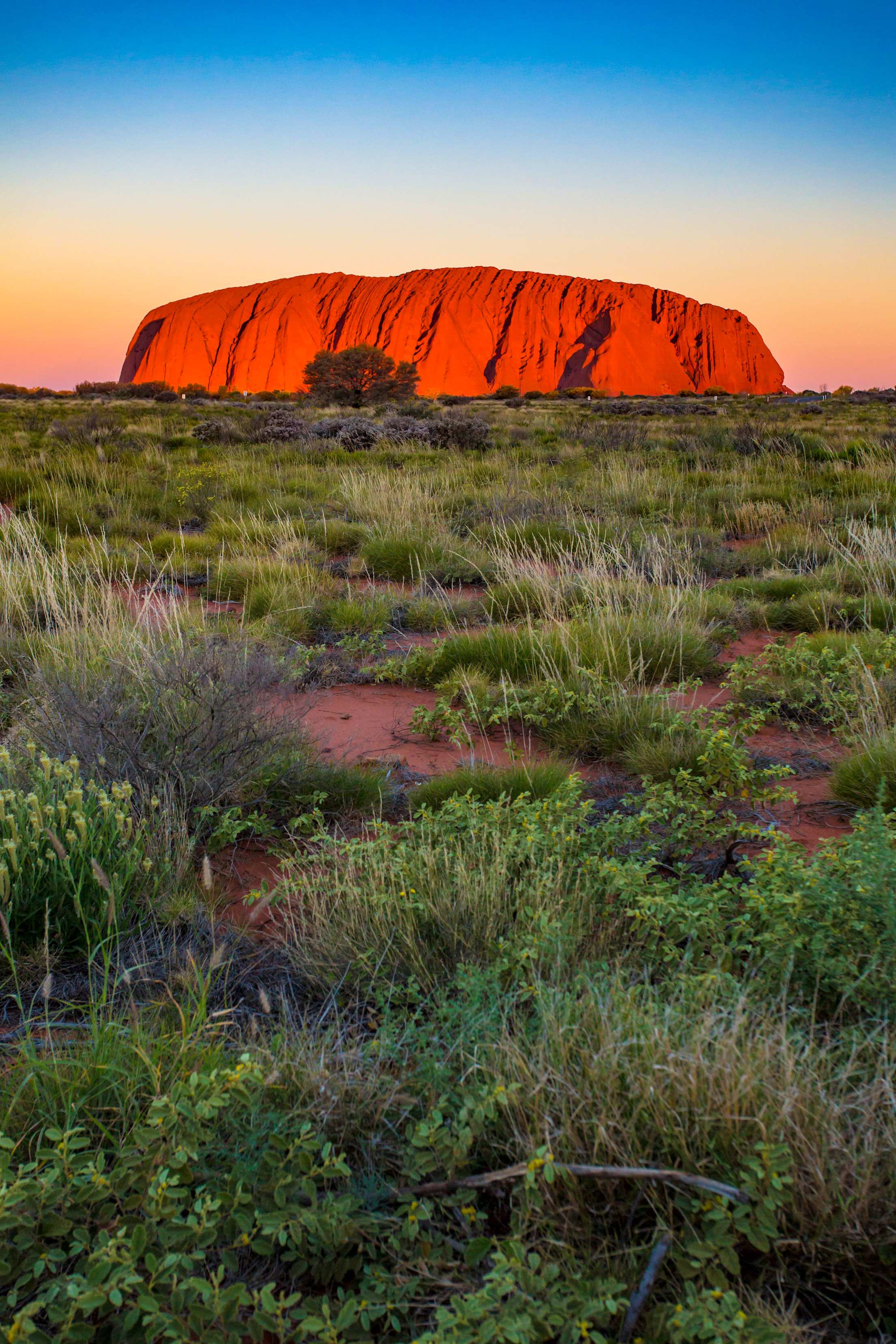
You know you’re walking in the footsteps of something sacred as you explore the base of Uluru, a massive slab of red sandstone that glows bright against the azure sky and the desert plain, freckled with green shrubs and grass. There, you see an Aboriginal woman in a sundress leaning into the rock with her hands outstretched wide and her bare feet pinching the fine, rust-colored earth between her toes. She tells you she traveled over 1,000 miles from the north, outside of Darwin. This was her dream and you’re lucky to witness it.
Into the Wild
The sun rises slowly over Central Australia’s red desert, points of light peeking through its horizon as it reveals shades of maroon, crimson, and copper. This otherworldly landscape changes constantly in sun and shadow. At its heart is Uluru, an “inselberg” (island mountain in German) that formed about 550 million years ago through a combination of tectonic forces, erosion, undersea compression, and rainwater. A quiet, primordial energy permeates the region, and it’s not unusual for yours to be the only car on its long, two-lane roads for hours at a time.
Nature’s Front Row
To make the most of Uluru, you must connect with its history. The Anangu people have been stewards of this land for at least 30,000 years, making them one of the oldest living continuous cultures on the planet. Learn about their traditions, art, and spiritual laws at Uluru’s Cultural Centre. Follow the Mala Walk—self-guided or with a ranger—along the base of Uluru to pass caves where people lived and painted ancestral stories, on the rock, ending at the sheer vertical walls of Kantju Gorge. (Note: You can no longer climb Uluru, as of 2019.)
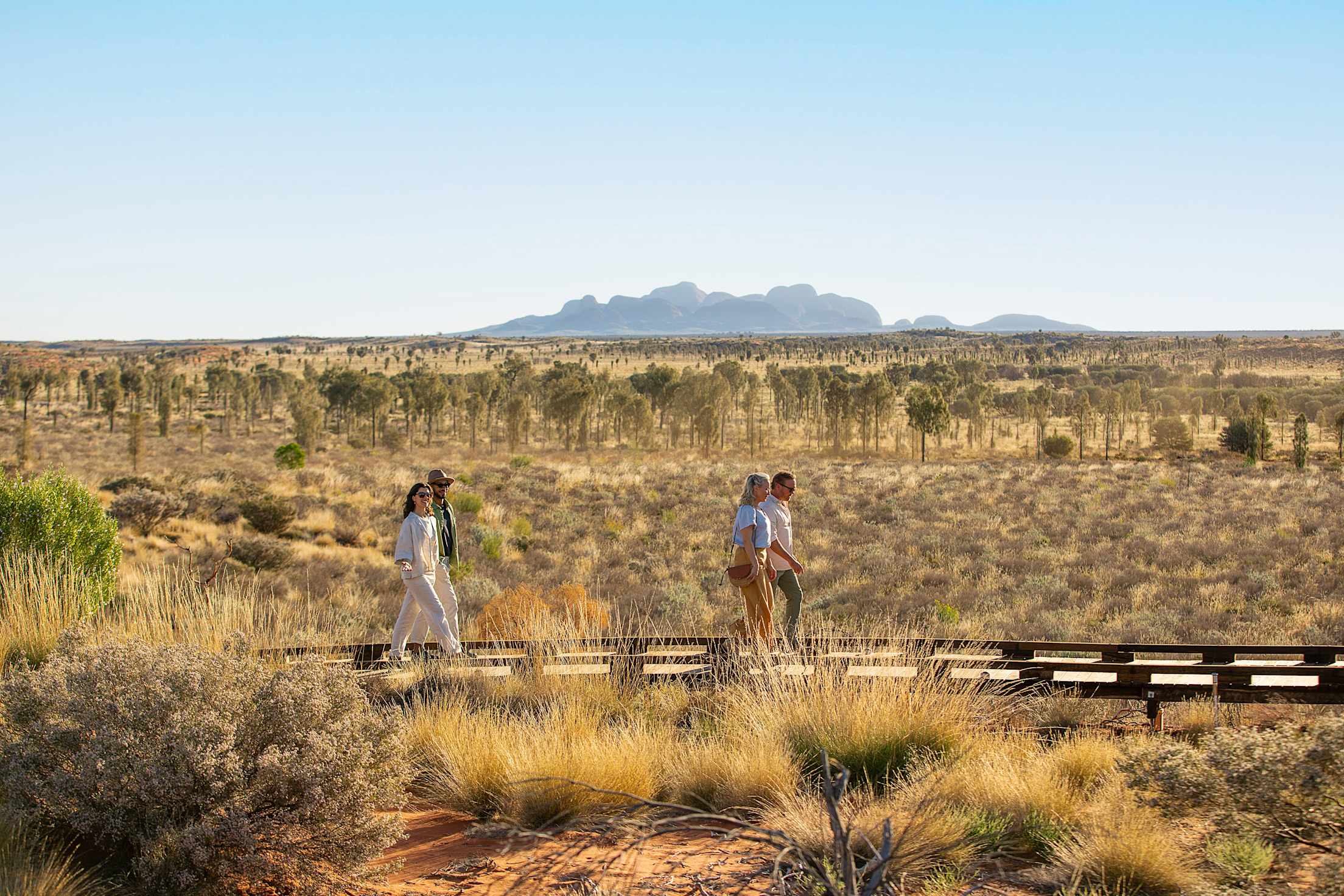
At nearby Kata Tjuta, the earth curves like a modernist sculpture, forming towering, textured rock domes that you can explore on two hikes—the quick and easy Walpa Gorge (1.6 miles) or the more steep and strenuous Valley of the Winds (4.5 miles). Keep an eye out for wallaroos, Currawongs (similar to crows), Zebra finches, Wedge-tail eagles nesting in the ridges, and microbats roosting in the rock’s crevices.
Halfway between Uluru and Alice Springs—the largest town in the region with 33,000 people—Kings Canyon offers awe-inspiring sandstone cliffs, which you can traverse on the Rim Walk, considered the best hike if you can brave its steep ascent nicknamed “heartbreak hill.” At the top, you’ll spot the narrow chasm pictured in the final scene of movie The Adventures of Priscilla, Queen of the Desert, aptly named Priscilla’s Crack.
Can’t-Miss Culture
The expansive desert here makes for some of the best stargazing in Australia. Just outside Alice Springs, Earth Sanctuary’s astronomers use a laser pointer and telescope to show off planets, constellations, and satellites. Featuring breathtaking views of Uluru at sunset, the Wintjiri Wiru outdoor dinner and show brings Anangu storytelling to life through choreographed drones, sound, lasers, and light projections. At the Australian Native High Tea at Ilkari Restaurant, part of Uluru’s Ayers Rock Resort, sip organic tea and snack on petits fours that incorporate Indigenous ingredients.
Getting There
Fly into Alice Springs with non-stop daily service on Qantas, Virgin Australia, and Airnorth from Sydney, Melbourne, or Adelaide, plus regular flights from Brisbane and Cairns. Ayers Rock Airport gets you closest to Uluru with direct flights available daily from Sydney, Melbourne, Brisbane, and Cairns, operated by Jetstar, Qantas, and Virgin Australia. Rent a car to road-trip through the region, but if you stick to Uluru and Kata Tjuta, you can easily coordinate transportation through your hotel or a guided tour. —Whitney Phaneuf
South Australia
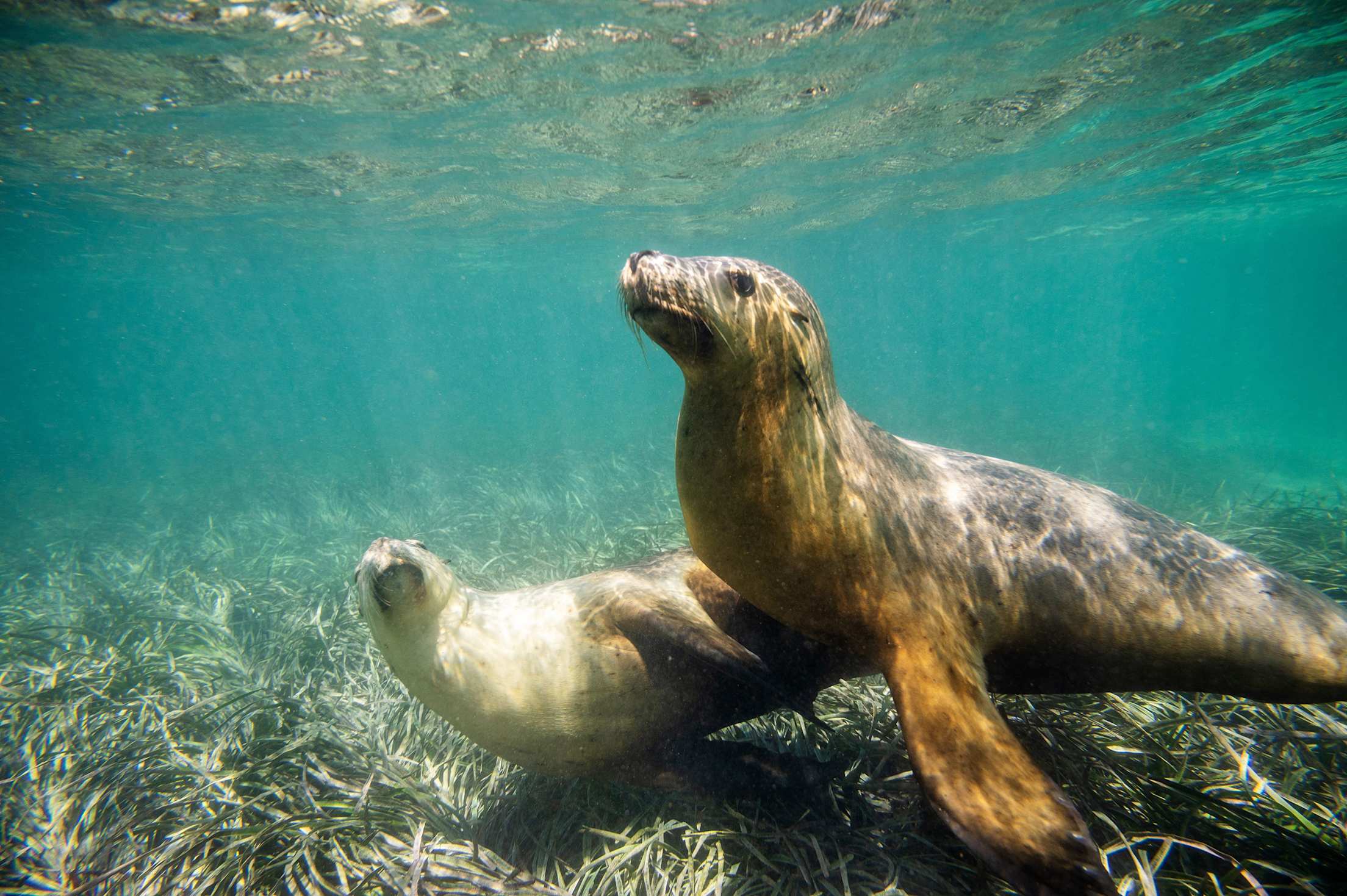
South Australia’s Baird Bay feels like your own private beach as you explore its calm, shallow surf. But, suddenly, you realize you’re not alone in the water—a pair of large dark eyes are locking with yours, whiskers twitching and front flippers spread humbly across a sleek, bulbous body. A colony of friendly sea lions has come to greet you, followed by a pod of dolphins.
Into the Wild
South Australia shares a border with every mainland state in the country, providing a diverse geographic area full of striking contrasts. The landscapes here shift dramatically within a short road trip, from beachy seaside to vineyard valley to ochre desert. Much of the state is a rugged outback easily accessible from its capital, Adelaide, a city framed by expansive parklands. Within a few hours, visitors can stargaze in the outback, hike the ancient Flinders Ranges, examine fossils at Nilpena Ediacara National Park, spot iconic wildlife in natural habitats, or go winetasting.
Nature’s Front Row
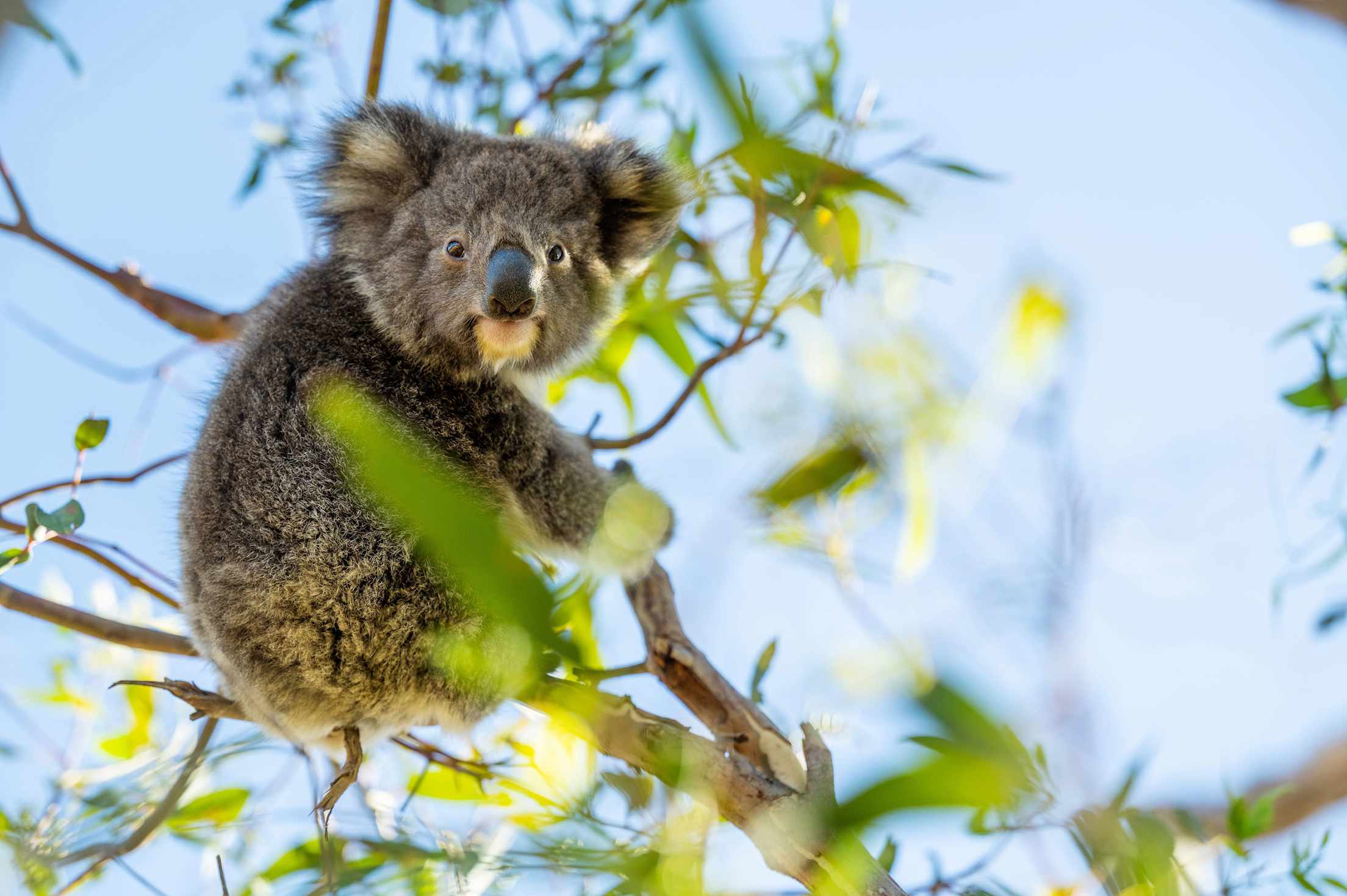
The winding slopes of the Adelaide Hills (just 20 minutes from the city center) are home to Cleland Wildlife Park, where native animals—including koalas, wombats, echidnas, and dingoes—roam freely or in sprawling habitats. Here you can feed wallabies, emus, and kangaroos, or book a personal koala visit. Further afield, amid the wild raw beauty of the Eyre Peninsula, Mikkira Station provides a chance to observe koalas in the wild thanks to the short manna gum trees throughout the sanctuary. The Baird Bay Experience brings wet suit–clad visitors into open water, where endangered Australian sea lions (primarily found in South Australia) approach on one side of the bay and pods of curious, darting dolphins on the other. Keep an eye out for kangaroos along the outback’s long roads that wind through mountain ranges and sandy-colored plains. Even Adelaide has its own wildlife, as thousands of grey-headed flying foxes (large bats) inhabit the trees around the Botanic Garden.
Can’t-Miss Culture
Adelaide feels both international and refreshingly manageable. At the 1869 Adelaide Central Market, feast on local favorites such as dragonfruit, lychees, and durian. Each February and March, Adelaide lives up to its nickname “the Festival State,” thanks to events like the world-renowned, month-long Adelaide Fringe—Australia’s largest celebration of arts and comedy—and WOMADelaide, in which global music and dance take over Botanic Park.
Visit the new Aboriginal cultural center, Yitpi Yartapuultiku, to learn more about Adelaide’s original inhabitants, the Kaurna. Aboriginal and family-owned Bookabee Tours offers an insightful Indigenous-led walk through the Adelaide Botanic Garden and the South Australian Museum, both must-see attractions.
Beyond the city—anywhere from a 15-minute to two-hour drive—are some of the country’s most renowned wine regions: Barossa, McLaren Vale, Clare Valley, and Adelaide Hills.
Getting There
Adelaide is well-connected by plane via Sydney, Melbourne, or Auckland, but a new nonstop route from San Francisco now connects the West with South Australia directly. The city is walkable, with good public transit. The outback begins roughly four to five hours away by car. The Eyre Peninsula is a 50-minute flight or a seven-hour drive. —Hillary Richard
Escape to Oz. Plan your dream trip with the pros at AAA Travel.